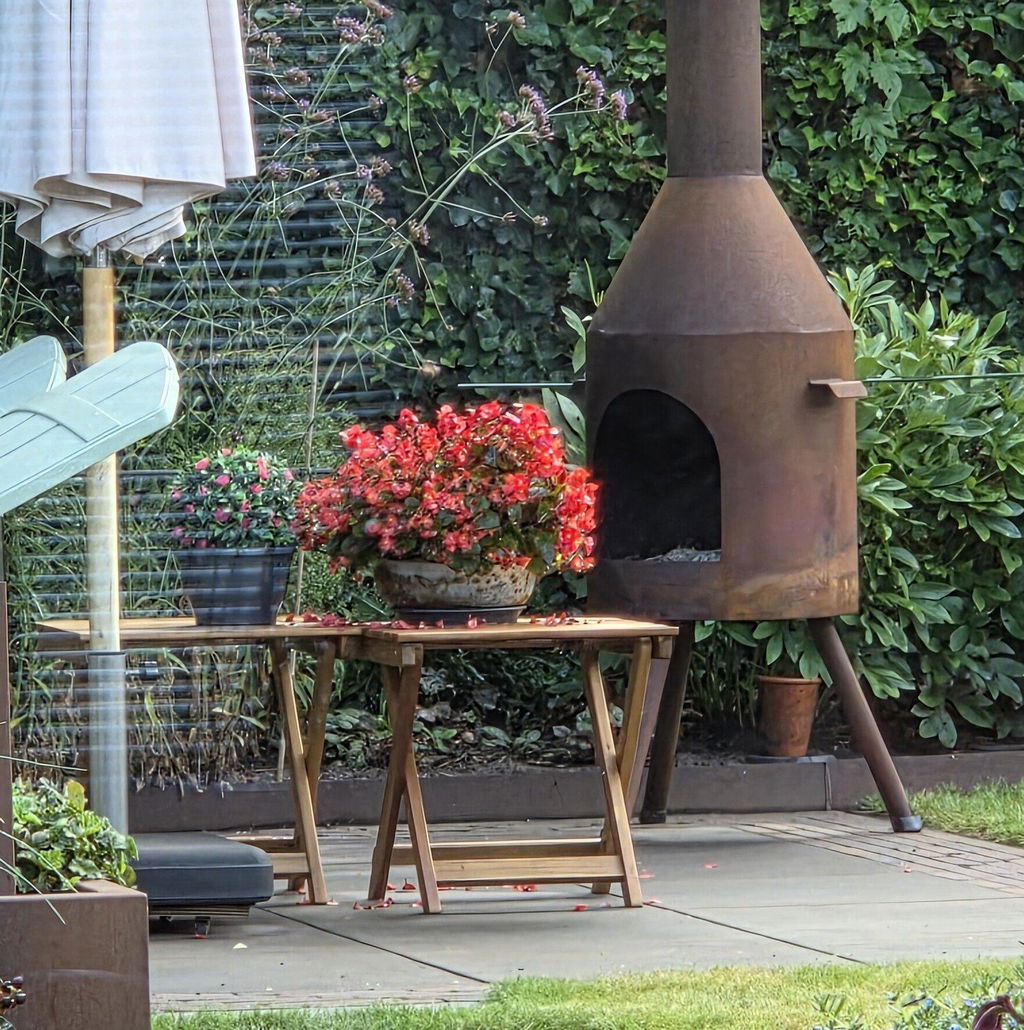
Building a wooden terrace is an excellent way to enhance your outdoor space and extend the living area of your home. Whether you want to create a terrace next to your living room or a freestanding terrace in your garden, the foundation on which you build plays a crucial role in the stability and durability of your construction. Every foundation, whether it’s concrete, grass, or a sloped terrain, requires a specific approach to ensure a solid and long-lasting terrace.
Preparation for Different Foundations
Preparing the foundation is essential for a stable terrace. Here are the key steps for different foundations:
| Foundation |
Preparation Steps |
Difficulty Level (1-10) |
| Concrete |
Clean, repair cracks, level |
3 |
| Grass/Soil |
Excavate, level, lay down weed barrier |
6 |
| Sloped Terrain |
Create terraces, stabilize soil, install drainage |
8 |
| Sand |
Compact, stabilize with gravel, level |
7 |
| Existing Terrace |
Inspect for rot, reinforce where necessary, level |
5 |
Foundation Techniques for Each Type of Ground
The right foundation technique is crucial for the stability of your terrace. Here are recommended methods for different foundations:
- Concrete: Use anchors or chemical anchoring for direct attachment
- Grass/Soil: Place concrete footings or screw piles for elevated construction
- Sloped Terrain: Use adjustable terrace supports or build a post structure
- Sand: Install a grid of concrete beams or use ground anchors
- Existing Terrace: Attach new beams directly to the existing structure if sturdy
"A solid foundation is the key to a durable terrace. Take the time to do it right, and your terrace will last for generations." - Master Carpenter Piet van der Plank
Step-by-Step Approach for Terraces on Grass or Soil
To build a terrace on grass or soil, follow these steps:
- Mark the terrace area and remove grass and topsoil
- Dig holes for concrete footings or screw piles
- Place weed barrier to prevent weed growth
- Install concrete footings or screw piles and ensure they are level
- Attach support beams to the posts or footings
- Install cross beams for extra stability
- Lay terrace boards and secure them to the beam structure
- Finish the edges and apply a treatment if desired
Tip: Ensure a slight slope (about 1 cm per meter) away from the house for proper water drainage.
Material Comparison for Terrace Construction
Choose the right materials for your terrace construction based on durability and suitability for the foundation:
| Material |
Durability (1-10) |
Suitable for Wet Ground |
Relative Cost |
| Pressure-Treated Pine |
7 |
Yes |
Low |
| Hardwood (e.g., Teak) |
9 |
Yes |
High |
| Composite |
8 |
Yes |
Medium to High |
| Accoya |
10 |
Yes |
High |
| Thermally Modified Wood |
9 |
Yes |
Medium to High |
Special Considerations for Sloped Terrains
When building a terrace on a sloped terrain, consider the following:
- Conduct a soil analysis to assess stability
- Consider creating terraces for a flat base
- Use adjustable terrace supports for easy leveling
- Install an adequate drainage system to prevent water accumulation
- Reinforce the structure with additional cross beams and supports
- Consider professional advice for complex slopes
Maintenance Tips for Terraces on Different Foundations
Proper maintenance extends the life of your terrace, regardless of the foundation:
- Regularly inspect for signs of settling or instability
- Check and clean drainage to prevent water damage
- Annually treat wooden components with a protective coating
- Remove leaves and debris to prevent mold growth
- Check fasteners for rust and replace if necessary
- Keep the space under the terrace clear for good ventilation
Conclusion
Building a wooden terrace on various types of foundations requires careful planning and execution. Whether you are building on a concrete surface, grassland, or a challenging sloped terrain, the key to success lies in thorough preparation and choosing the right materials and techniques. By considering the specific requirements of your foundation and applying the correct construction methods, you can create a durable and beautiful terrace that provides enjoyment for years to come. Remember that a well-built terrace is not only a valuable addition to your outdoor space but can also enhance the overall value of your home. With the right approach and attention to detail, you can build a terrace that withstands the test of time and the elements, regardless of the foundation it stands on.