Origin and History
Western Hemlock (Tsuga heterophylla), also known as western hemlock-spruce, is an evergreen conifer native to the west coast of North America. Its range extends from southeastern Alaska to northern Sonoma County, California. The Latin species name "heterophylla" refers to the variable shape of its leaves.
Description
Western Hemlock is the largest species in the genus Tsuga, with trees that can reach heights of up to 70 meters, exceptionally even 83 meters. The trunk can have a diameter of up to 2.7 meters. Young trees have a conical crown with strongly overhanging tops, while older trees develop a cylindrical crown with no branches in the lower 30-40 meters. The bark is thin, brown, and grooved, similar to that of the Douglas fir.

Physical and Mechanical Properties
Below is an overview of the physical and mechanical properties of Western Hemlock:
| Property |
Value |
| Heartwood Color |
Yellow-gray to brown-gray |
| Sapwood Color |
Yellowish white |
| Bulk Density |
450 kg/m³ |
| Radial Shrinkage (60-30% r.h.) |
1.1% |
| Tangential Shrinkage (60-30% r.h.) |
1.6% |
| Movement (60-30% r.h.) |
2.7% |
| Modulus of Elasticity |
9000 N/mm² |
Western Hemlock has needle-like leaves that are 5-23 mm long, flat in cross-section with a finely serrated edge. The leaves are dark green on top and have two prominent white bands of stomata on the underside.
Applications
This wood is widely used due to its ease of workability and structural strength. Typical applications include:
- Load-bearing interior structures
- Various interior joinery
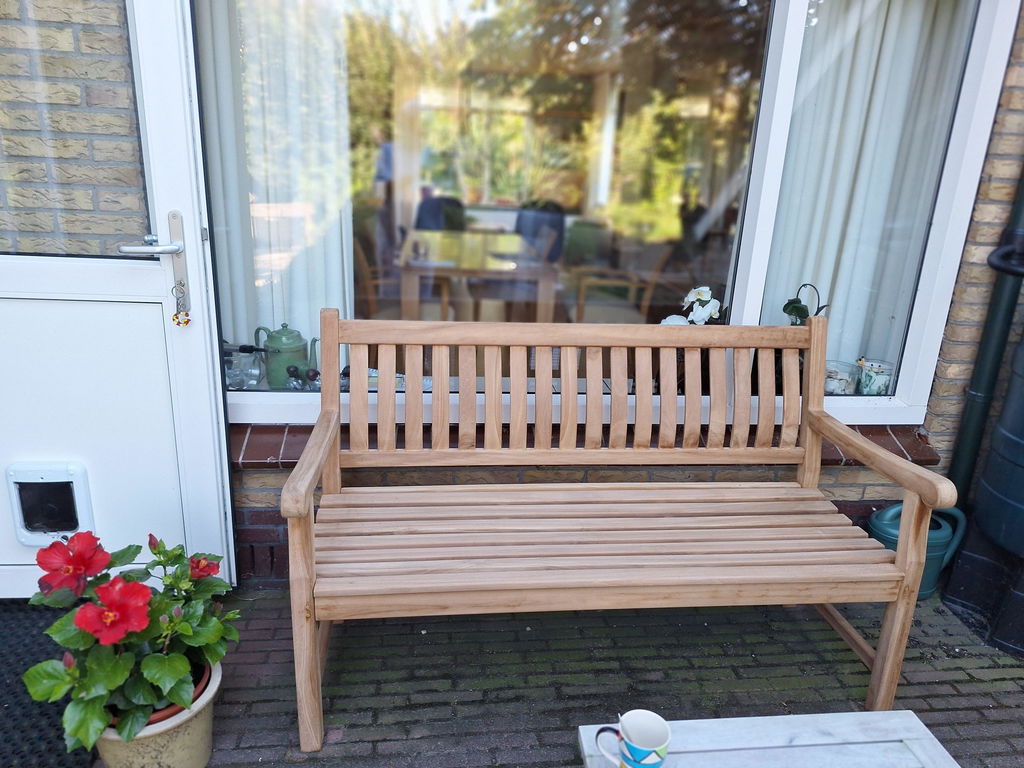
- Furniture
- Plywood
- Veneer
Durability and Environmental Impact
The heartwood of Western Hemlock has a low natural durability class (IV), meaning it is not very resistant to decay by organisms. For applications where durability is essential, treatment is recommended.
Comparisons with Other Wood Species
Western Hemlock is sometimes commercially combined with Amabilis Fir as "Hem-Fir," allowing for a wide range of applications due to their complementary properties.
Frequently Asked Questions about Western Hemlock
-
What is the maximum height of Western Hemlock? Western Hemlock can grow exceptionally tall, with trees reaching up to 83 meters.
-
Is Western Hemlock suitable for outdoor applications? No, due to its low durability, Western Hemlock is not recommended for outdoor applications without adequate protection.
This comprehensive information provides in-depth insight into the properties, applications, and considerations regarding Western Hemlock, making it a valuable choice for various construction and furniture projects.
Importance of Western Hemlock in the wood industry: 85%