Toppers
What is the difference between teak wood and hardwood?
Teak wood is one of the most valued hardwoods worldwide, known for its exceptional durability, aesthetic appeal, and resistance to weather conditions. Although teak wood itself is a hardwood, there are some specific characteristics and properties that distinguish teak from other hardwoods. This article explores the differences between teak wood and other types of hardwood.
What is Teak Wood?
Teak wood comes from the Tectona grandis tree, which primarily grows in Southeast Asia, particularly in countries like Myanmar, Thailand, Laos, and India. Today, teak is also commercially grown in plantations in Africa and Latin America.
Characteristics of Teak Wood
- Color and Texture: Teak has a golden-brown to dark brown color with a straight grain and a moderately coarse texture. The color darkens with exposure to light.
- Oil Content: Teak contains natural oils that protect the wood from moisture, fungi, and insects.
- Durability: Teak belongs to durability class 1, which means it is highly durable and has a lifespan of over 25 years when in contact with the ground.
- Strength and Hardness: Teak is a strong and hard wood species, with a Janka hardness of about 1,070 pounds (4,740 N).
Applications of Teak Wood
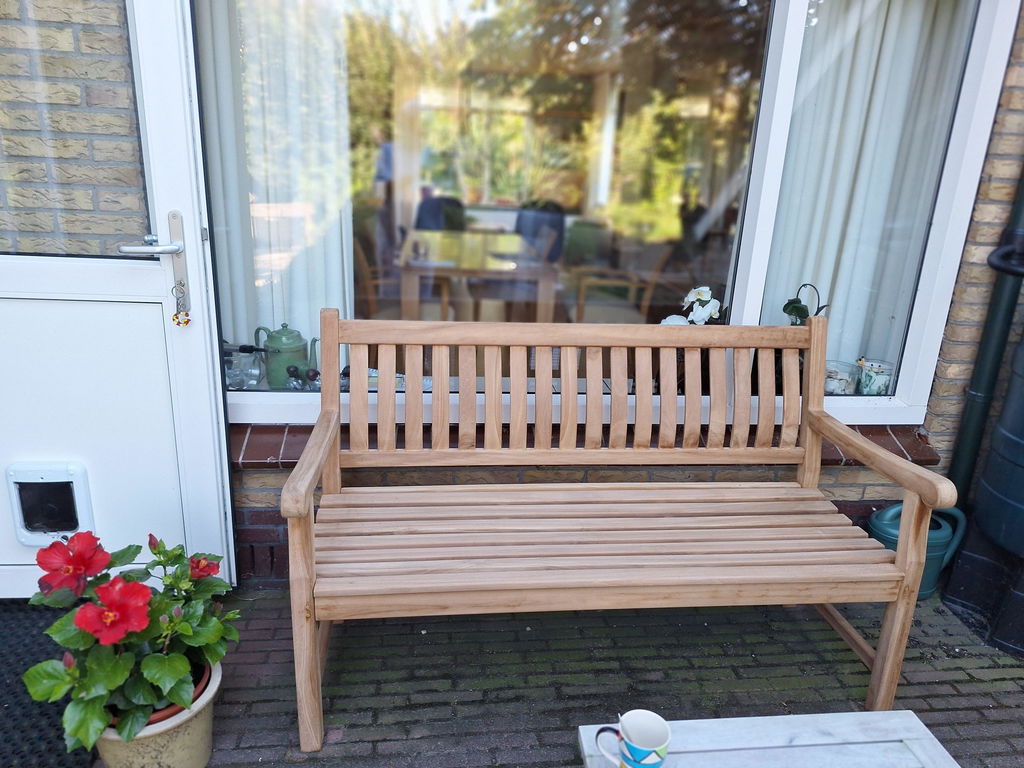
- Outdoor Furniture: Due to its weather resistance, teak is ideal for garden furniture.
- Shipbuilding: Used for decks and other exposed parts of ships.
- Flooring: For high-quality wooden floors both indoors and outdoors.
- Interior: Luxury furniture, veneer, and decorative elements.
What is Hardwood?
Hardwood is a broad category that includes wood species derived from deciduous trees (angiosperms). Hardwood species can vary greatly in properties, durability, and applications. Some well-known hardwoods include oak, mahogany, walnut, and iroko.
Characteristics of Hardwood
- Variation in Color and Texture: Hardwood species offer a wide range of colors and textures, depending on the specific type.
- Durability: Durability varies significantly among different species. Some hardwoods, like teak, are very durable, while others, like poplar, are less durable.
- Strength and Hardness: Hardwood can range from medium to very hard and strong, depending on the species.
- Aesthetic Value: Many hardwood species have an attractive grain and texture, making them popular for furniture and decorative applications.
Applications of Hardwood
- Construction: For load-bearing structures, frames, and doors.
- Furniture: For both indoor and outdoor furniture.
- Flooring: Hardwood is often used for flooring due to its wear resistance.
- Decorative Finishes: For veneer, panels, and wood carvings.
Comparison between Teak Wood and Other Hardwoods
| Characteristic | Teak Wood | Other Hardwoods |
|---|---|---|
| Color | Golden brown to dark brown | Varies greatly, from light to dark |
| Texture | Moderately coarse texture, straight grain | Varies from fine to coarse |
| Oil Content | High, protects against moisture and insects | Usually lower, depending on the species |
| Durability Class | Class 1 (very durable) | Varies from class 1 to class 5 |
| Janka Hardness | 1,070 pounds (4,740 N) | Varies greatly, for example, oak 1,200 pounds (5,300 N) |
| Strength and Hardness | Very strong and hard | Varies from medium to very strong and hard |
| Applications | Outdoor furniture, shipbuilding, flooring, interior | Construction, furniture, flooring, decorative finishes |
Specific Considerations
Teak Wood
- Weather Resistance: Teak wood is unmatched in its weather resistance, making it ideal for outdoor use.
- Maintenance: Although teak is naturally resistant to the elements, it requires regular maintenance (such as oiling) to maintain its original color.
- Cost: Teak is one of the most expensive woods due to high demand and slow growth.
Other Hardwoods
- Variation in Durability: While some hardwoods like iroko and mahogany are also very durable, others, like beech and poplar, require more protection against the elements.
- Aesthetic Flexibility: The variation in color and texture offers more flexibility in design and aesthetics.
- Cost: Costs vary widely depending on the species and availability, with some hardwoods being significantly cheaper than teak.
Conclusion
Teak wood stands out from other hardwoods due to its exceptional durability, natural weather resistance, and high oil content, making it ideal for outdoor use and luxury applications. While teak is a hardwood, it offers specific advantages that often make it more expensive and sought after than other hardwoods. However, other hardwoods provide a broader variation in properties and applications, making them versatile and attractive for various projects. The choice between teak and other hardwoods depends on the specific requirements of the project, desired durability, aesthetics, and budget.