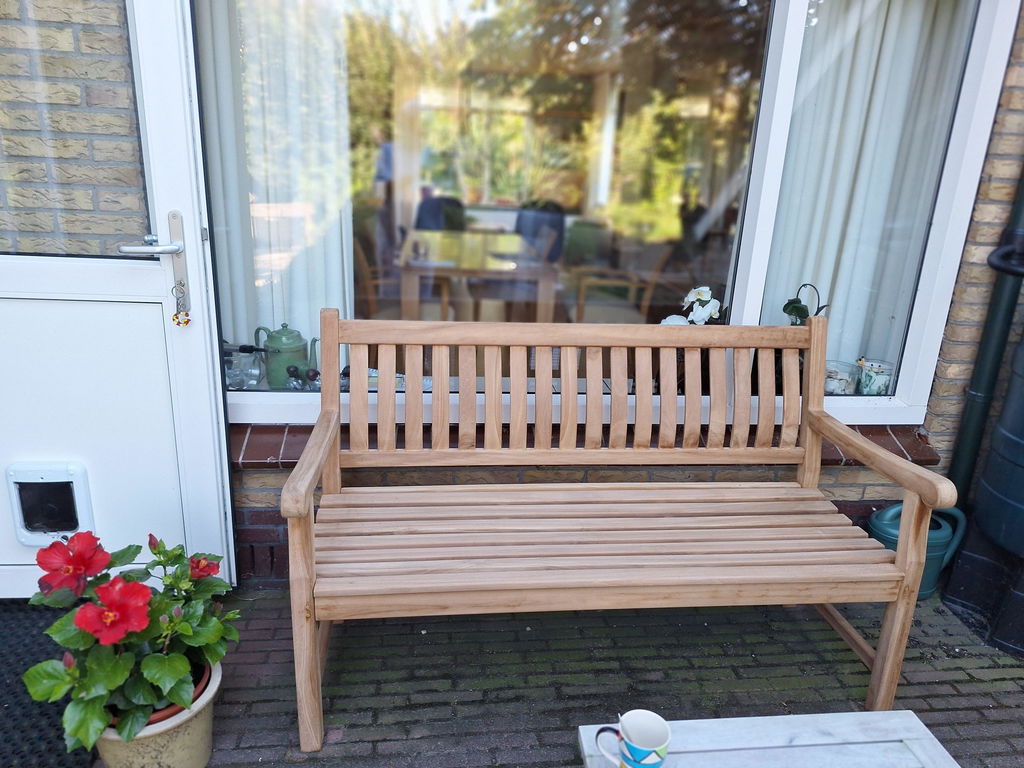
Larch, a type of wood derived from coniferous trees of the genus Larix, holds a unique position within the world of wood species. Valued for its durability, strength, and aesthetic qualities, larch finds its way into various applications in the construction, furniture, and maritime industries. This article provides an in-depth look at the botanical background, properties, applications, and ecological significance of larch, exploring the complexity and nuances of this versatile wood species.

Botanical Description and Diversity
Larch belongs to the Pinaceae family and distinguishes itself from other conifers by its deciduous nature. The main species are:
- European larch (Larix decidua Mill.)
- Siberian larch (Larix sibirica Ledeb. and Larix gmelinii)
- American larch (Larix laricina and Larix occidentalis)
- Japanese larch (Larix kaempferi)
These trees can reach impressive sizes, with heights up to 40 meters and diameters up to 1 meter at breast height. The unique characteristic of larches to lose their needles in winter makes them a bridge between coniferous and deciduous trees.
Geographical Distribution and Growth Conditions
Larches exhibit a wide geographical distribution, contributing to the variation in wood properties:
| Species |
Main Distribution |
Characteristics |
| European larch |
Central Europe |
Adapted to mountainous areas |
| Siberian larch |
East and West Siberia, China, Mongolia |
Highly cold-resistant |
| American larch |
North America |
Adaptable to various climates |
| Japanese larch |
Japan, planted in Europe |
Fast-growing, well adaptable |
In the Netherlands and other European countries, a hybrid of European and Japanese larch (Larix x eurolepis) is also planted, combining the favorable properties of both species.
Wood Properties: A Complex Matrix
Appearance and Structure
-
Heartwood: Ranges from light yellow-brown to reddish-brown
-
Sapwood: Yellowish to dirty white, clearly distinguishable from heartwood
-
Growth rings: Very visible, with contrast between light earlywood and dark latewood
-
Grain: Beautiful flame pattern on plain-sawn wood, striped pattern on quarter-sawn wood
Physical Properties
-
Density: 470-650 kg/m³ at 12% moisture content (heavier for Siberian larch: 530-750 kg/m³)
-
Hardness: Varies, but generally harder than many other softwood species
-
Movement: Moderate to high, depending on origin
Durability and Resistance
-
Mold resistance: Heartwood class 3-4 (fairly durable to moderately durable)
-
Insect resistance: Well resistant to most wood-destroying insects
-
Blue stain: Less susceptible than that of spruce or pine
Workability
-
Sawing and planing: Fairly good, but requires sharp tools
-
Nailing and screwing: Moderate, caution needed to prevent splitting
-
Gluing: Good, but may cause issues with very resinous wood
-
Finishing: Good, suitable for various finishing methods
Applications: Versatility in Practice
The unique properties of larch make it suitable for a wide range of applications:
-
Construction wood: Load-bearing and non-load-bearing elements in construction
-
Outdoor applications: Facade cladding, waterworks, retaining walls, docks
-
Frames, windows, and doors: Due to its durability and stability
-
Floors: Both indoors and in trucks due to its hardness
-
Shipbuilding: For frames and planks in traditional boats
-
Furniture: Valued for its aesthetic qualities
-
Special applications: Windmill construction, piles, veneer
Durability and Environmental Aspects
Larch offers interesting perspectives from an environmental standpoint:
-
Natural durability: Reduces the need for chemical treatments
-
Fast growth: Especially Japanese larch, makes it a renewable resource
-
Local availability: In Europe reduces transport distances
However, the impact of larch plantations on biodiversity and soil quality deserves attention and further research.
Challenges and Considerations
Despite the many advantages, the use of larch also presents challenges:
-
Resin channels: Can cause issues during processing and finishing
-
Tendency to warp and crack: Requires careful handling during drying
-
Variability in properties: Depending on origin and growth conditions
-
Limited availability: Of large dimensions can pose a barrier for some applications
Conclusion
Larch represents a fascinating chapter in the world of wood species. The combination of durability, strength, and aesthetics makes it a versatile and valuable choice for numerous applications. Its natural resistance to decay positions larch as an environmentally friendly alternative to treated wood in many outdoor applications.
At the same time, the complexity of larch underscores the importance of sound knowledge in its selection and application. The variability in properties, depending on species and origin, requires a nuanced approach and careful consideration of the specific requirements of each project.
As the demand for sustainable and renewable materials increases, larch appears well-positioned to continue playing an important role in the wood industry. Ongoing research into improved cultivation and processing methods, as well as a better understanding of the ecological impact of larch forests, will be crucial to harnessing the full potential of this remarkable wood species.