The species of spruce trees

Norway spruce forest — Picea abies
The Norway Spruce (Picea abies) — Europe's most familiar conifer and a cornerstone of northern forestry.

Spruce Trees: The Towering Conifers of the North

Spruce trees (Picea) are among the most recognisable conifers on the planet. From the boreal forests of Scandinavia to the mountain slopes of the Rockies and the Caucasus, these evergreen giants shape landscapes, support entire ecosystems, and have been woven into human culture for millennia. With roughly 35 recognised species, spruce adapt to some of the harshest climates on earth — yet they also supply timber, paper pulp, and even the soundboards of fine violins.

This guide walks through the most significant spruce species, the practical qualities of spruce timber, the ecological services these trees provide, and the cultural traditions that have grown up around them. Whether you are a forester, a woodworker, or simply curious about what is growing in the landscape around you, there is more to spruce than meets the eye.

Quick facts

  • Approximately 35 spruce species exist worldwide.
  • Some species exceed 60 metres in height.
  • Individual trees can live for more than 500 years.
  • Spruce timber has been used by humans for thousands of years — from shipbuilding to concert hall roofs.

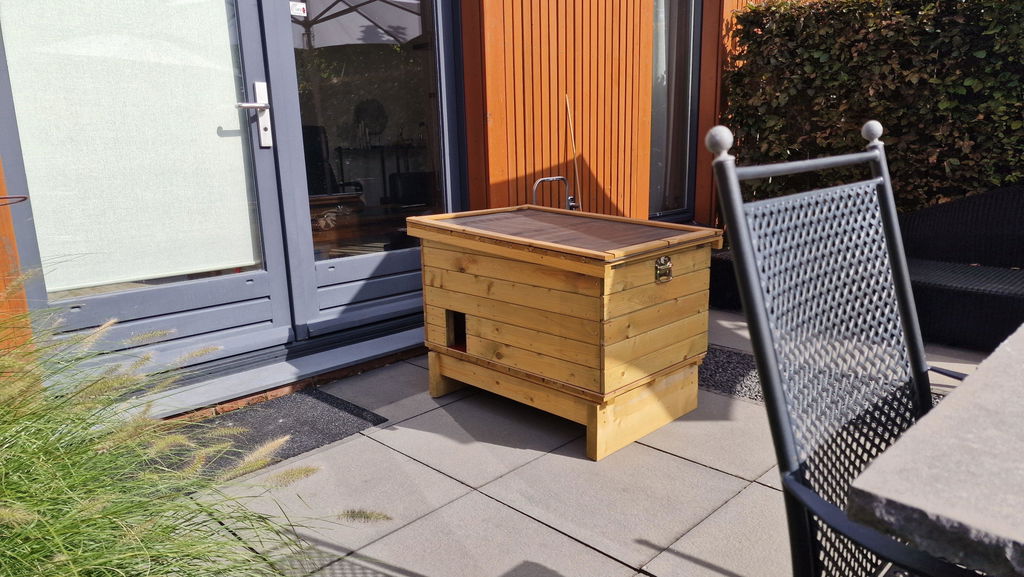
While spruce is the raw material of forests, it is also the starting point for many garden and outdoor timber products — including the spruce-framed shelters we produce for cats and outdoor use. Take a look at one practical example below, then read on for the full story of the tree behind the timber.

Five Spruce Species Worth Knowing

Spruce have colonised an extraordinary range of habitats — from sea-level coastal strips to high-altitude mountain ridges. The five species below illustrate that range and explain why spruce timber varies noticeably depending on where it was grown.

Norway Spruce — Picea abies

The most widely planted spruce in Europe and the species most people picture when they think of a Christmas tree. Native across central and northern Europe, Norway Spruce grows to around 30 metres and can live for up to 400 years. It tolerates cold winters extremely well and has long been planted as a windbreak and habitat tree. Its timber — commercially sold as "whitewood" — is straight-grained, pale cream in colour, and forms the backbone of the European construction timber trade.

Norway Spruce (Picea abies) branch detail
Norway Spruce needles — short, sharp and arranged spirally around each twig.
Sitka Spruce (Picea sitchensis)
Sitka Spruce — the dominant plantation conifer across large parts of Scotland and Wales.

Sitka Spruce — Picea sitchensis

Native to the Pacific Coast of North America from southern Alaska down to northern California, Sitka Spruce is notable for its sheer size and the quality of its timber. The species can live for 300 years or more, develops a deeply furrowed bark, and carries flat, glossy needles that are noticeably sharp to the touch. In the UK it is the most extensively planted forest conifer, valued for fast, straight growth and a timber with an exceptional strength-to-weight ratio. Aircraft manufacturers used Sitka Spruce extensively in early aviation — the frames of the Sopwith Camel and the de Havilland Mosquito both relied on it.

Serbian Spruce — Picea omorika

One of the most ornamental spruces in cultivation, the Serbian Spruce originates from a small, naturally restricted range in the Drina river valley on the Bosnia–Serbia border, where it grows on limestone slopes. It is slender and columnar in habit — unlike the broader silhouette of most spruces — with soft, dark-green needles that have two silvery bands on their underside. Unusually resistant to urban pollution, drought and a range of fungal diseases, it is widely planted in parks and formal gardens. Its natural rarity makes it a species of significant conservation interest.

Serbian Spruce (Picea omorika)
Serbian Spruce — its narrow, spire-like form makes it a favourite in landscape design.
Caucasian Spruce (Picea orientalis)
Caucasian Spruce — sweeping pendant branches give it a distinctly architectural character.

Caucasian Spruce — Picea orientalis

A large, imposing tree native to the Caucasus mountains of Georgia, Turkey and adjacent regions, where it forms extensive high-altitude forests. Its branches sweep downwards in elegant pendant curves, giving mature specimens a distinctive architectural quality. The needles are among the shortest of any spruce — dense, dark and glossy — and the species carries an impressive tolerance of shade during its early years. Individual trees can live for several hundred years and reach considerable girth. It is less commonly planted commercially than Norway or Sitka Spruce but is prized as an ornamental specimen tree.

Blue Spruce — Picea pungens

The state tree of Colorado and Utah, Blue Spruce is native to the central Rocky Mountains at elevations between 1,800 and 3,000 metres. It is instantly recognisable by its blue-grey to silver-white foliage — a waxy coating on the needles that reduces water loss and reflects intense mountain sunlight. Young trees develop a white, peeling bark. Growth is slower than many spruces, but individual trees reach around 30 metres at maturity. It is widely planted as an ornamental across Europe and North America, and selected cultivars with especially vivid blue colour are common in garden centres throughout the UK.

Blue Spruce (Picea pungens)
Blue Spruce — the waxy, silver-blue needles are unmistakable and drought-resistant by design.

Spruce Timber: Properties and Practical Uses

Spruce is one of the most commercially important timber species in the northern hemisphere. Its appeal lies in a combination of properties that few other softwoods match: it is light yet surprisingly strong, works cleanly with both hand and machine tools, takes glue and fixings reliably, and is consistently pale in colour with a fine, straight grain.

Key Timber Properties

  • Weight and strength: Spruce has one of the best strength-to-weight ratios of any softwood, which is why it has historically been chosen for applications where every gram counts — from aircraft ribs to racing yacht masts.
  • Colour and grain: Creamy white to pale yellow-brown, with a fine, straight grain and inconspicuous growth rings. The appearance is clean and neutral, making it easy to paint, stain or lacquer.
  • Workability: It cuts, planes and sands well, splinters infrequently, and holds screws and nails securely. Joinery-grade spruce bonds reliably with standard wood adhesives.
  • Acoustic properties: Spruce transmits sound vibrations with exceptional clarity and consistency. Luthiers have used it for soundboards on violins, guitars and pianos for centuries — the quarter-sawn tops of fine instruments are almost always spruce.
  • Durability: Untreated spruce has moderate natural resistance to rot and is best used in dry, covered applications or when pressure-treated for outdoor exposure.

Where Spruce Timber Is Used

Application Why Spruce Works Well
Structural construction timber High strength-to-weight ratio, consistent dimensions, easy to cut and fix on site
Musical instrument soundboards Exceptional acoustic resonance; transmits vibration evenly across the board
Paper and pulp production Long fibres produce strong, high-quality paper and cardboard
Indoor furniture and joinery Light, affordable, easy to machine and finish; accepts paints and stains cleanly
Outdoor shelters and garden products Works well when pressure-treated; light weight makes assembly straightforward
Boat and aircraft components (historical) Unmatched strength-to-weight; used in masts, spars and early aircraft frames

"Spruce timber sings in the hands of a craftsman — whether that craftsman is raising a roof frame, setting a concert hall ceiling, or shaping the top of a violin."

Spruce Forests: Ecological Importance

Beyond their commercial value, spruce forests are among the most ecologically productive habitats in the temperate and boreal zones. A mature spruce stand delivers a cascade of benefits that extends from the forest floor to the upper atmosphere.

Ecosystem Services

  • Wildlife habitat: Dense spruce canopy provides year-round shelter and nesting sites for crossbills, goldcrests, red squirrels, pine martens and dozens of other species that depend on conifer forest structure.
  • Carbon storage: Spruce trees lock carbon into their wood, roots and surrounding soil. Boreal spruce forests collectively store enormous quantities of carbon, making their conservation directly relevant to climate targets.
  • Soil protection: Extensive shallow root systems bind hillside soils, reducing erosion and slowing surface run-off after heavy rainfall — critical in upland catchments.
  • Water regulation: Spruce canopies intercept rainfall, reduce peak flood flows, and help maintain steady stream levels through dry periods. Upland spruce plantations in Wales and Scotland significantly influence local hydrology.

Threats to spruce forests

Despite their resilience, spruce forests worldwide face mounting pressure:

  • Climate change — prolonged summer drought weakens trees and opens the door to bark beetle outbreaks. Central European spruce has suffered catastrophic die-back since 2018.
  • Bark beetles (Ips typographus and allies) — native at low densities, devastating when populations explode under drought stress.
  • Overextraction — unsustainable harvesting removes old-growth stands faster than they can regenerate.
  • Wildfires — increasing frequency and intensity driven by warmer, drier summers.
  • Air pollution — acid rain historically caused widespread decline, particularly across Scandinavia and central Europe in the late 20th century.

Spruce in Culture and Tradition

Few trees carry as much cultural weight as spruce. Their evergreen character — green needles persisting through the darkest and coldest months — made them powerful symbols long before the first Christmas tree was dressed with candles.

  • Symbol of endurance: In many northern European and Scandinavian traditions, evergreen conifers represented eternal life and the promise that spring would return. Spruce boughs were brought indoors during midwinter festivals centuries before Christianity spread through the region.
  • The Christmas tree: The modern Christmas tree tradition is directly tied to Norway Spruce. The custom spread from German-speaking lands across Britain after Prince Albert of Saxe-Coburg brought a decorated spruce to Windsor Castle in 1841, an image rapidly popularised by the illustrated press.
  • Traditional medicine: Indigenous peoples across North America and northern Europe used spruce resin as a wound sealant, brewed spruce needle tea as a source of vitamin C during long winters, and chewed spruce gum — a practice that eventually inspired commercial chewing gum production.
  • Art and literature: The spruce-covered mountain landscapes of the Romantic era inspired countless painters and poets. Caspar David Friedrich's brooding conifer forests became emblematic of the sublime in northern European art.

"The spruce stands like a green candle in the winter landscape — a signal of persistence and life at the coldest point of the year."

Spruce Timber in One Minute

Prefer a visual summary? The short film below covers the essentials of spruce (vuren) timber — from the forest to the sawmill and into finished products.

Frequently Asked Questions

How many species of spruce are there?

There are approximately 35 recognised species within the genus Picea. They are distributed across the boreal and montane zones of the northern hemisphere, from Ireland and Scandinavia in the west to Japan and the eastern Himalayas in the east, with several North American species including Sitka Spruce and Blue Spruce.

Is spruce a hardwood or a softwood?

Spruce is a softwood — a conifer, botanically classified as a gymnosperm. "Softwood" is a botanical classification and does not always mean the wood is physically soft: Sitka Spruce in particular is notably strong for its weight and outperforms several hardwoods in terms of stiffness relative to density.

Why is spruce used for musical instrument soundboards?

Spruce has an unusually high stiffness-to-weight ratio combined with very consistent cell structure when quarter-sawn. This allows it to transmit sound vibrations evenly and with minimal damping. Instrument makers — particularly luthiers building violins, cellos and guitars — have used European and Sitka Spruce for soundboard tops for over 400 years. The material resonates cleanly across a wide frequency range without adding unwanted coloration to the sound.

How long does a spruce tree live?

Lifespans vary by species and growing conditions. Norway Spruce typically lives 200–400 years in forest conditions; Sitka Spruce can exceed 300 years. Some isolated mountain specimens of other species are thought to exceed 500 years. The oldest recorded individual in the genus is a Swedish Norway Spruce whose root system has been dated at approximately 9,500 years old, although the above-ground stem regenerates repeatedly over that period.

Is spruce timber suitable for outdoor use?

Untreated spruce has relatively modest natural resistance to rot and is not recommended for prolonged ground contact or sustained wet exposure. However, pressure-treated spruce — impregnated with preservative under vacuum — is widely used for garden furniture, fencing, decking and outdoor structures, and performs reliably in northern European climates when the treatment is to an appropriate class for the intended use. Painted or otherwise sealed spruce also performs well in sheltered outdoor positions.

What is the difference between spruce and fir?

Both are conifers and are often confused, but they belong to different genera. Spruce (Picea) carries its needles on small peg-like projections — when a needle falls, the peg remains on the twig, giving it a rough texture. Fir (Abies) needles attach directly and leave a flat, circular scar when shed, making the twig smooth. Spruce cones hang downwards and fall intact; fir cones stand upright and disintegrate on the tree. Timber properties also differ: fir is generally slightly softer and less resonant than high-quality spruce.

From the Forest to Your Garden

Spruce — particularly pressure-treated spruce — is the timber behind many of the outdoor products we supply. Its combination of workability, light weight and excellent response to preservative treatment makes it a sensible, practical choice for garden furniture, shelters, and play equipment that needs to stand up to British weather year after year.

Browse our full range of spruce and hardwood garden products below, including protective covers to keep your outdoor furniture looking its best season after season.