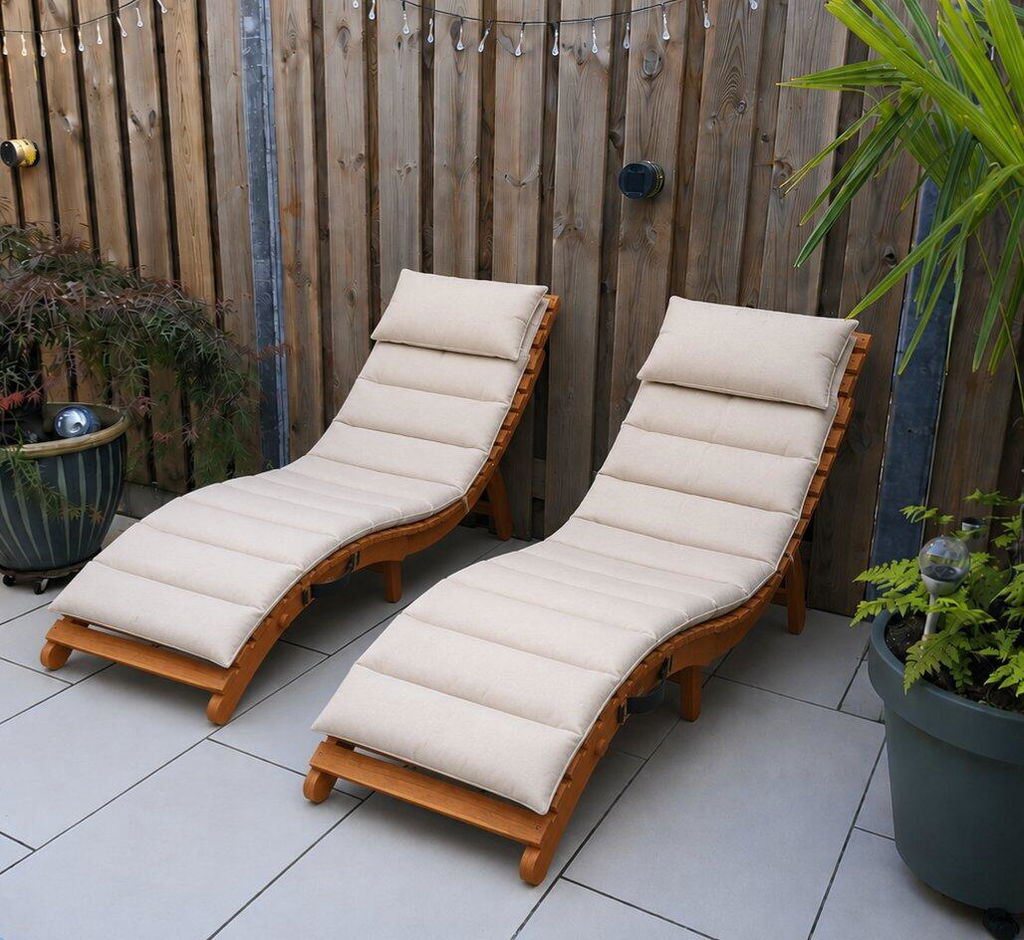
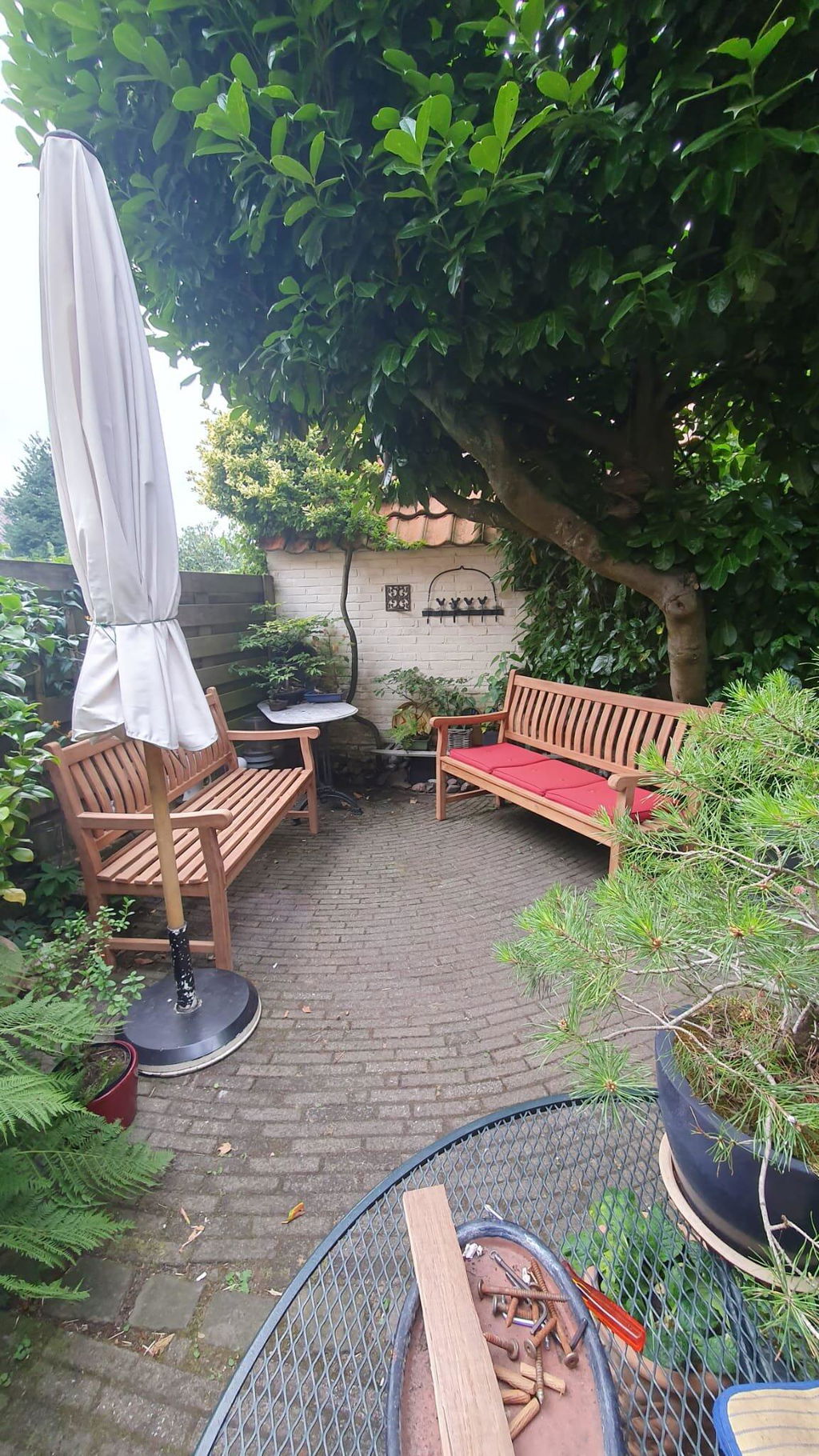
Hardwood vs. Softwood: An In-Depth Comparison

The terms hardwood and softwood are fundamental to understanding wood types and their applications. While this classification may seem straightforward at first glance, the reality is much more nuanced. Let’s delve deeper into the differences, characteristics, and applications of both types of wood.
Botanical Classification
The distinction between hardwood and softwood is primarily based on the botanical characteristics of the trees:
-
Hardwood: Derived from angiosperms (flowering plants), usually deciduous trees that shed their leaves in autumn.
-
Softwood: Comes from gymnosperms (non-flowering plants), mainly coniferous trees that remain green year-round.
This botanical classification explains why some "soft" woods can actually be harder than certain "hard" woods, such as soft balsa (hardwood) versus hard yew (softwood).
Overview of Hardwood Types

Common hardwood types and their trees:
- Oak (Quercus spp.) - robust and durable
- Beech (Fagus spp.) - strong and flexible
- Maple (Acer spp.) - light and versatile
- Teak (Tectona grandis) - weather-resistant
- Mahogany (Swietenia spp.) - decorative and stable
Check out our collection of hardwood products for beautiful applications of these durable wood types.
Overview of Softwood Types
Commonly used softwood types and their trees:
- Pine (Pinus spp.) - light and easy to work with
- Spruce (Picea spp.) - strong relative to weight
- Larch (Larix spp.) - durable for a softwood
- Cedar (Cedrus spp.) - naturally resistant to decay
- Douglas fir (Pseudotsuga menziesii) - strong and versatile
Discover the versatility of softwood in our Douglas wood products.
Detailed Comparison
| Feature |
Hardwood |
Softwood |
| Cell Structure |
Complex, with vessels |
Simpler, without vessels |
| Growth Rate |
Slower (20-100 years) |
Faster (25-30 years) |
| Density |
Usually higher (450-850 kg/m³) |
Usually lower (350-550 kg/m³) |
| Durability |
Often naturally more durable |
Usually less durable, treatment needed |
| Price |
Generally more expensive |
Usually cheaper |
| CO₂ Storage |
Higher due to higher density |
Lower, but faster growth compensates |
Applications and Properties
Hardwood:
- Ideal for durable garden benches and outdoor furniture
- Excellent for high-quality flooring and decorative applications
- Naturally resistant to decay and insects
- Often used in shipbuilding due to strength and water resistance
Softwood:
- Perfect for construction timber and more affordable furniture
- Widely used in the paper and pulp industry
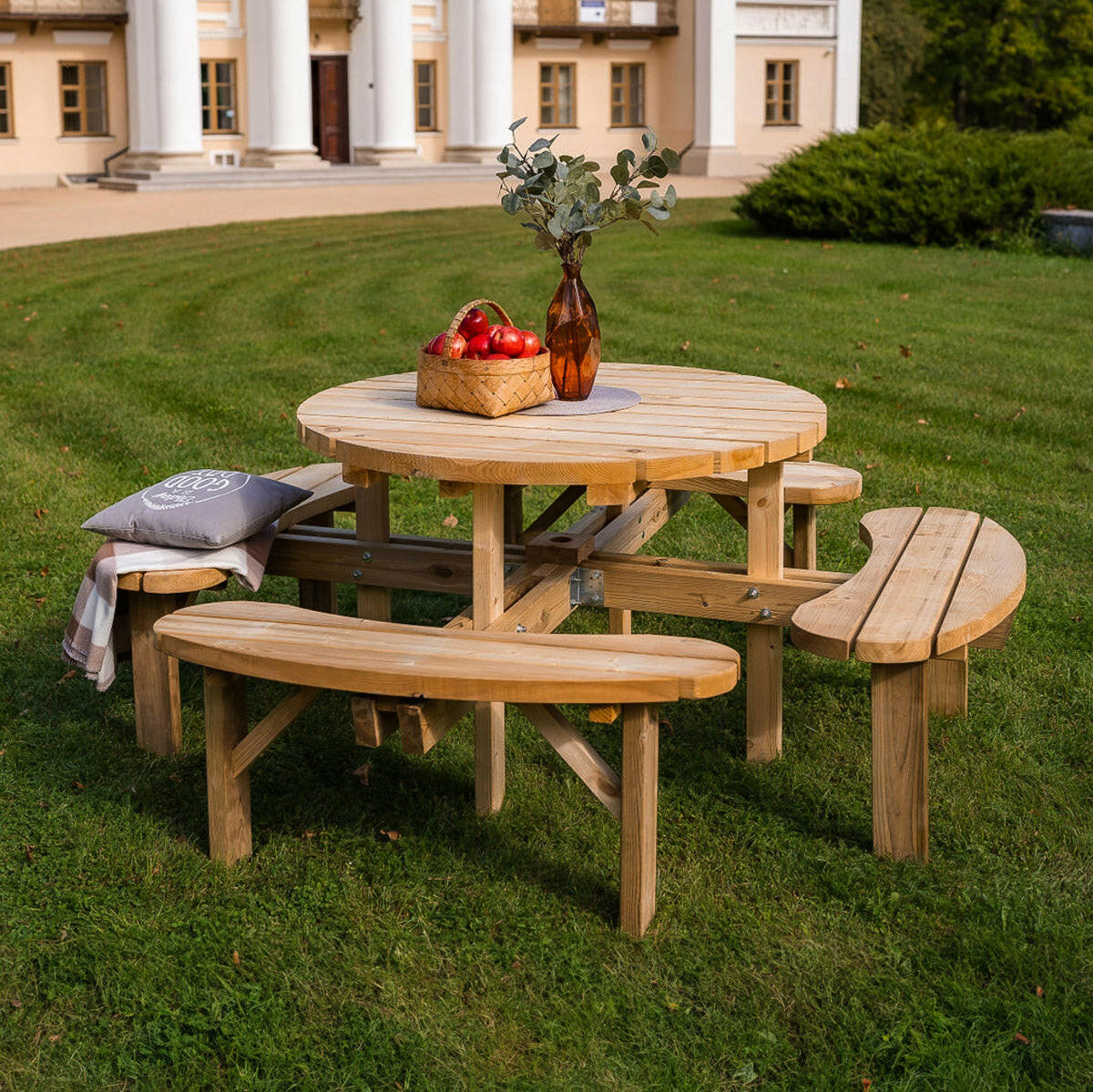
- Suitable for picnic tables and casual outdoor furniture
- Easy to work with, ideal for DIY projects
Durability and Maintenance
The maintenance of wooden products varies significantly:
-
Hardwood: Often naturally durable, requires minimal maintenance. Regular dusting and occasional oiling is usually sufficient.
-
Softwood: Requires more attention, such as regular staining or painting for outdoor use. Good protection against moisture and UV radiation is essential.
Explore our maintenance products for optimal care of your wooden furniture.
Environmental Considerations
When choosing between hardwood and softwood, environmental factors also play a role:
-
Hardwood: Slower growth means less frequent harvesting, but also longer-lasting CO₂ storage.
-
Softwood: Faster growth makes it a renewable resource, but often requires chemical treatments for durability.
For eco-conscious choices, check out our collection of acacia wood products, a sustainable alternative.
Conclusion: Choosing Between Hardwood and Softwood
The choice between hardwood and softwood depends on various factors such as application, budget, aesthetic preferences, and durability requirements. Both wood types have their unique advantages:
- Choose hardwood for durability, strength, and a luxurious appearance.
- Opt for softwood for cost-effectiveness, lightweight constructions, and ease of workability.
By understanding the properties of both wood types, you can make an informed choice that perfectly fits your project. Whether you are looking for a sturdy garden bench or a lightweight bookshelf, there is a wood type that meets your needs.
Explore our extensive range of wooden products and be inspired by the natural beauty and versatility of wood in all its forms.