What are some modern applications of wooden sculptures in public spaces?

Modern wooden sculptures in public spaces bring a unique combination of natural warmth and contemporary artistry to our urban environments. These artworks range from subtle interventions to large-scale installations, each with its own story and interaction with the surroundings.
Innovative Applications of Wooden Sculptures
Interactive Tree Structures
Dynamically sculpted pieces that respond to touch and movement
Living Wooden Artworks
Sculptures integrated with living plants and trees
Acoustic Wood Installations
Sculptures that produce sound through wind or interaction
Color-Changing Wooden Art
Sculptures with special coatings that change color
Sustainable Aspects of Modern Wooden Sculptures
| Aspect | Benefit | Sustainability Score |
|---|---|---|
| Use of local hardwood | Reduced transportation emissions |
95%
|
| Natural weathering | Evolving artwork without maintenance |
88%
|
| Biodegradable artworks | Temporary installations with no waste |
92%
|
| Reuse of urban trees | Second life for felled urban trees |
97%
|
Timeline of Innovations in Public Wooden Art
2010
Introduction of the first interactive wooden sculptures in city parks
2015
Development of weather-resistant coatings for long-lasting outdoor installations
2018
Launch of the first "growing" sculptures with integrated living plants
2021
Implementation of AI-driven, responsive wooden artworks
2023
Introduction of self-healing wooden sculptures with bio-based polymers
Techniques and Materials
3D-Printed Wood Composites
Complex shapes with minimal material waste
Nanocellulose Reinforcement
Increased durability and weather resistance
Transparent Wood Technology
Light-transmitting wooden elements for unique effects
Robotic Wood Carving
Ultra-precise details and complex patterns
Impact on Urban Environments
- Enhancement of the aesthetic value of public spaces
- Promotion of community interaction and social cohesion
- Educational opportunities about sustainability and conservation
- Creation of unique landmarks and tourist attractions
- Strengthening the bond between urban development and nature
"Wooden sculptures in public spaces are not just artworks, but living entities that grow, change, and interact with their environment and the community." - Lisa Eikman, Urban Art Curator
Future Perspective
The future of wooden sculptures in public spaces promises even more innovation:
- Integration of smart sensors for real-time environmental monitoring
- Development of self-assembling wooden structures
- Use of genetically modified wood with enhanced properties
- Implementation of augmented reality for interactive art experiences
- Creation of large-scale, city-wide wooden art networks
Tip: For small-scale projects, such as garden houses
Super Sales
-
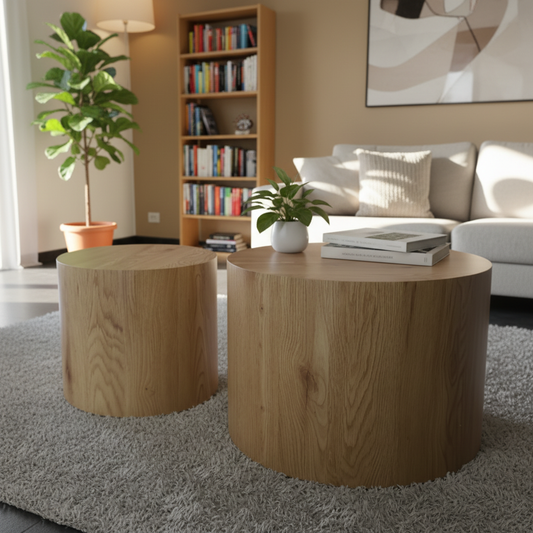
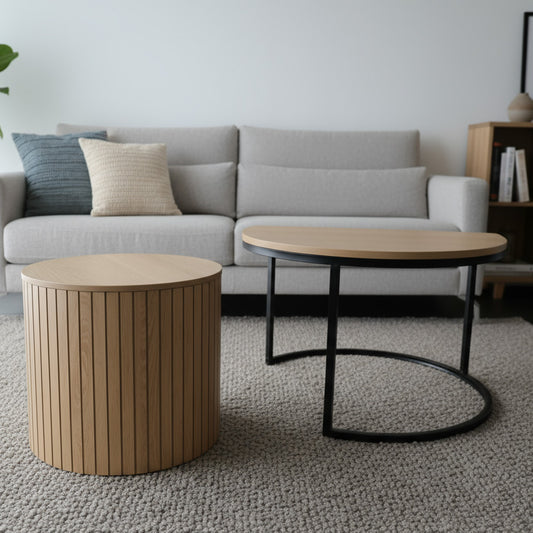
Round Wooden Coffee Table Set of 2
Regular price £49.00 GBPRegular price£89.00 GBPSale price £49.00 GBPSale -
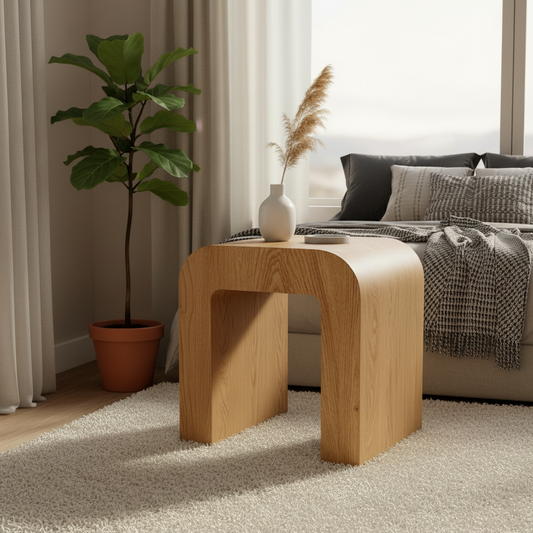
Modern Curved Side Table in Wood-Look Finish – 40 × 30 × 45 cm
Regular price £71.00 GBPRegular price£115.00 GBPSale price £71.00 GBPSale -
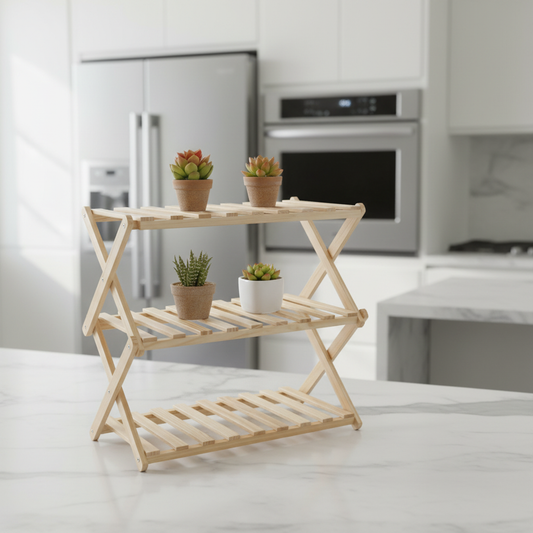
Foldable Wooden Rack – 3 Tiers (31 × 21 × 47.2 cm)
★★★★★(1)Regular price £67.00 GBPRegular price£98.00 GBPSale price £67.00 GBPSale -
Beech Wood Coat Rack – Minimalist Tripod Design
★★★★★(1)Regular price £71.00 GBPRegular price£106.00 GBPSale price £71.00 GBPSale -
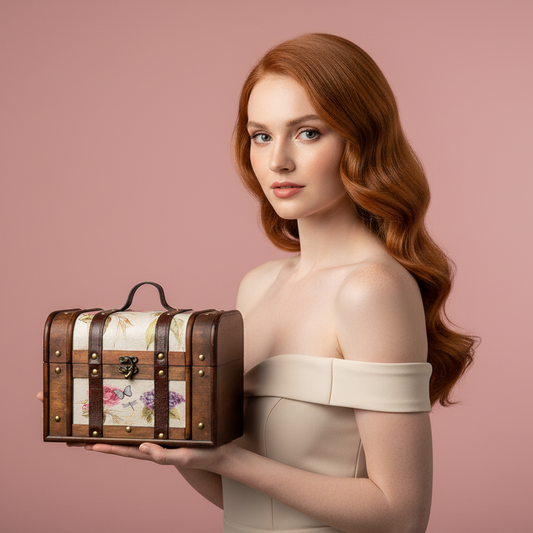
Vintage Wooden Jewelry Box with Floral Motif and Handle – 26 × 18 × 17 cm
★★★★★(1)Regular price £31.00 GBPRegular price£76.00 GBPSale price £31.00 GBPSale -
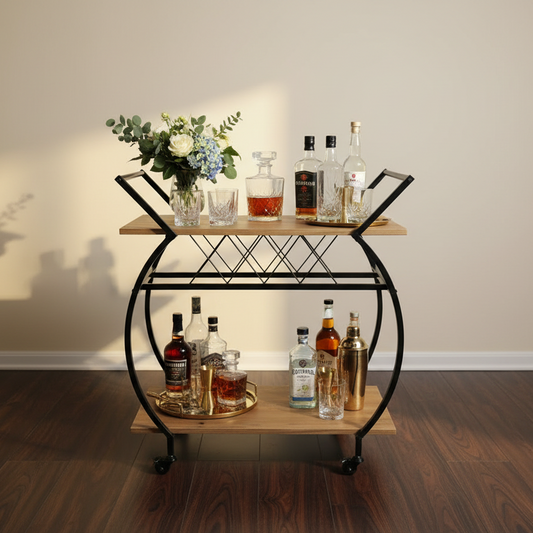
Bar cart with wine rack – 2 tiers, wood & metal, on wheels – rustic oak look – KING®
★★★★★(2)Regular price £115.00 GBPRegular price£164.00 GBPSale price £115.00 GBPSale -
Listerby Side Table – 50 cm
★★★★★(5)Regular price £80.00 GBPRegular price£124.00 GBPSale price £80.00 GBPSale -
Round nesting coffee table set – 2-piece with metal frame (Ø60 x 39 cm) - Second choice
★★★★★(1)Regular price £115.00 GBPRegular price£168.00 GBPSale price £115.00 GBPSale -
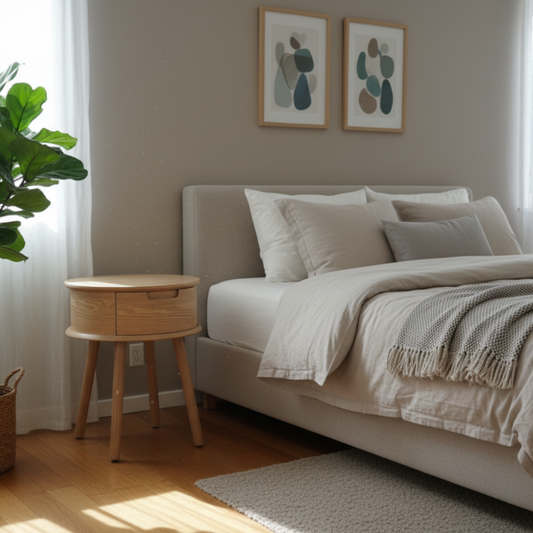
Round Bedside Table with 1 Drawer – Curved Design (Ø45 × 50 cm)
Regular price £71.00 GBPRegular price£106.00 GBPSale price £71.00 GBPSale -
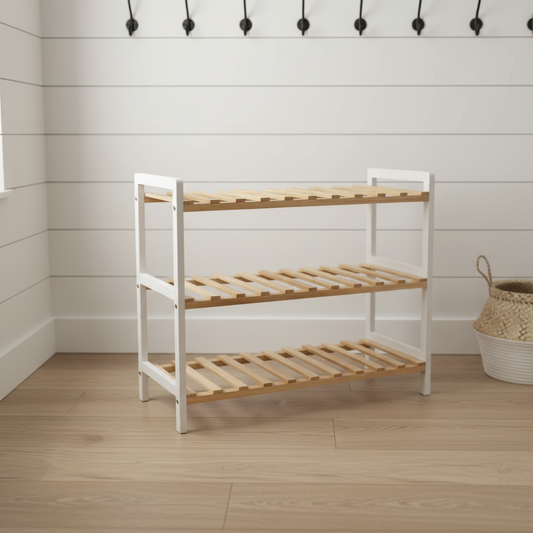
Modern Wooden Shoe Rack – 3 or 4 Tiers
★★★★★(1)Regular price From £62.00 GBPRegular price£84.00 GBPSale price From £62.00 GBPSale -
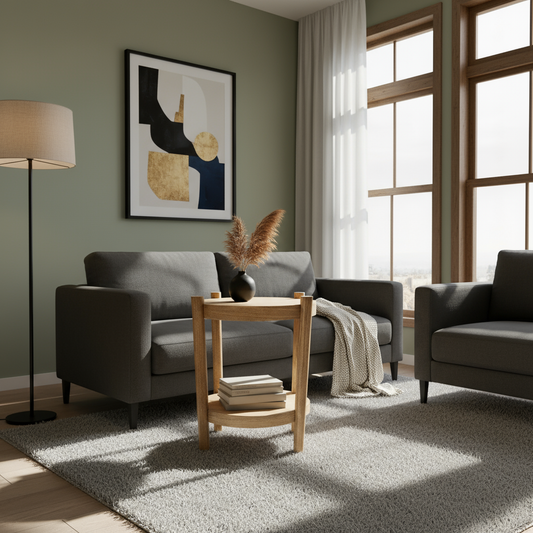
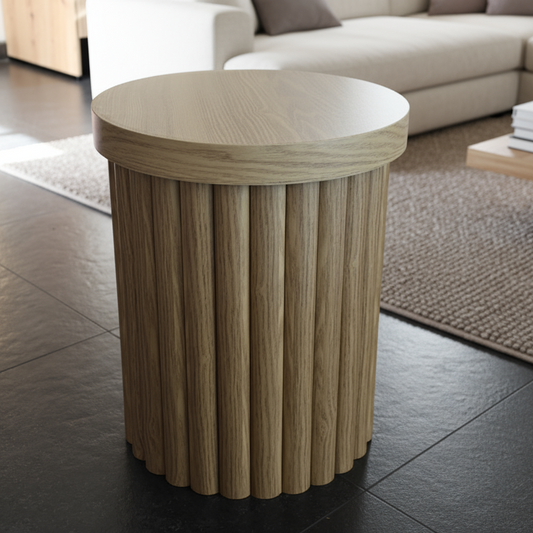
Round Side Table Ø40 × 48 cm – Oak-Look Finish
Regular price £71.00 GBPRegular price£133.00 GBPSale price £71.00 GBPSale -
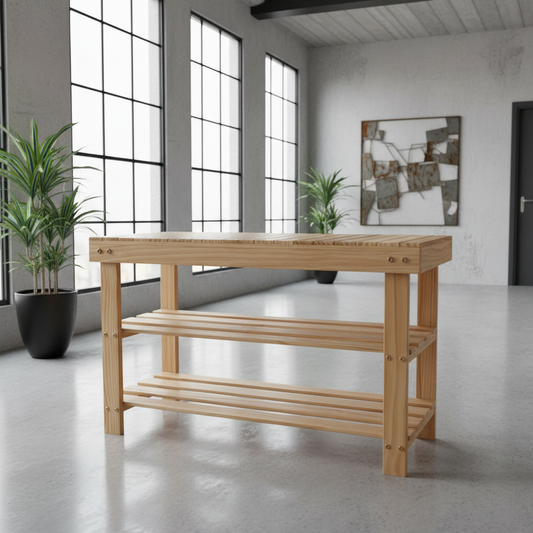
Bamboo Shoe Rack Bench – 3 Tiers, Durable & Multifunctional (70 × 27.9 × 45 cm)
★★★★★(2)Regular price £89.00 GBPRegular price£124.00 GBPSale price £89.00 GBPSale