What are some examples of groundbreaking designs in modern wooden architecture?

Modern wood architecture has made tremendous progress in recent years, with projects exploring the limits of what is possible with wood. By combining advanced technology, sustainable building practices, and creative designs, buildings are emerging that are not only functional but also visually stunning.
Iconic Examples of Modern Wood Architecture
- Mjøstårnet, Norway: The tallest wooden skyscraper in the world (85.4 m).
- Brock Commons Tallwood House, Canada: An 18-story student residence built using hybrid wood techniques.
- Centre Pompidou-Metz, France: Famous for its complex curved wooden roof structure.
- Mistissini Bridge, Canada: The longest wooden arch bridge in North America.
Innovative Technologies in Wood Architecture
- Cross-Laminated Timber (CLT): A strong, lightweight material suitable for high-rise buildings.
- Parametric Design: Technology that enables complex shapes and structural optimization.
- 3D-Printed Connections: Custom connections for greater precision and strength.
- Robotic Manufacturing: Automated production processes for efficiency and accuracy.
Sustainable Aspects of Modern Wood Architecture
| Aspect | Benefit | Impact |
|---|---|---|
| CO2 Storage | Wood stores carbon throughout the building's lifespan | Reduces the carbon footprint |
| Energy Efficiency | Wood has natural insulating properties | Lower energy needs |
| Renewable Resource | Responsible forest management ensures a sustainable wood supply | Increased sustainable use of materials |
| Prefabrication | Less construction waste and shorter construction time | More efficient building process |
Challenges and Innovative Solutions
- Fire Safety: Developing fire-resistant coatings and smart sprinkler systems.
- Acoustics: Integrating acoustic panels and innovative flooring systems.
- Moisture Control: Utilizing advanced membranes and ventilation techniques.
- Structural Integrity: Applying hybrid systems and advanced connection techniques.
- Regulations: Collaborating with governments to adapt building codes to new wood construction technologies.
Future Perspective
The future of modern wood architecture is promising, with innovations such as:
- 'Super wood' with enhanced strength and durability
- Integration of smart technologies for adaptive building performance
- Biophilic designs that unite nature and architecture
- Modular and transformable wooden buildings
- Application of AI and machine learning for construction optimization
Tip: Even for small-scale projects, such as garden houses, you can draw inspiration from these innovative designs and apply sustainable principles on a smaller scale.
Conclusion
Modern wood architecture showcases the incredible potential of wood as a sustainable building material. These projects demonstrate that wood is suitable for ambitious, aesthetically bold, and technically advanced constructions. By combining innovative technology and sustainable practices, wood sets the tone for a greener and more efficient built environment. As technology and research into wood continue to evolve, we will see even more groundbreaking architectural designs that shape the future of the construction industry.
Super Sales
-
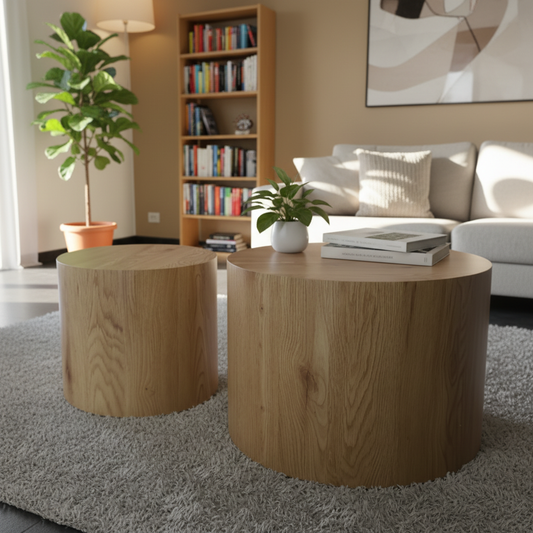
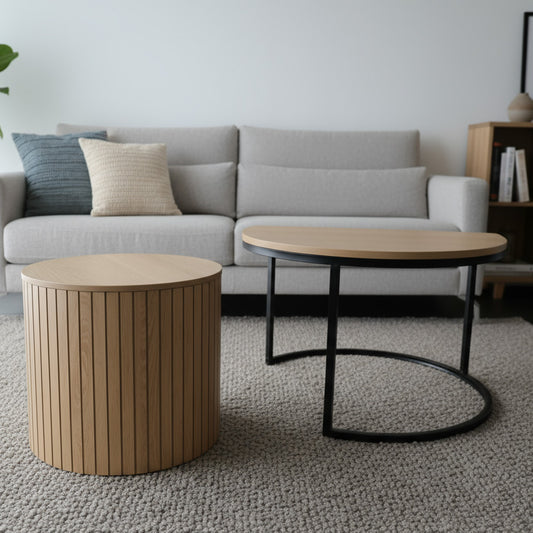
Round Wooden Coffee Table Set of 2
Regular price £49.00 GBPRegular price£89.00 GBPSale price £49.00 GBPSale -
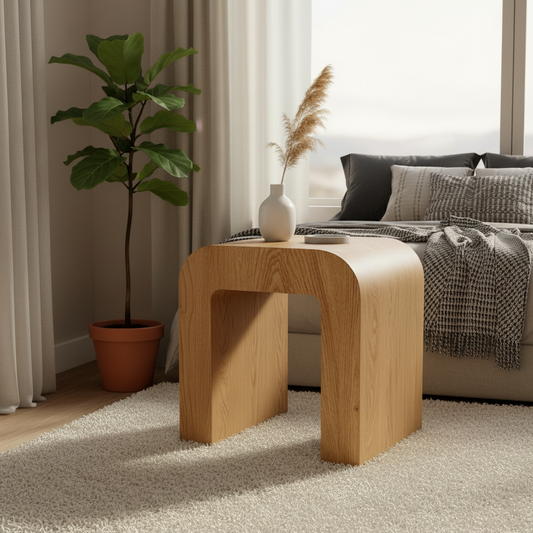
Modern Curved Side Table in Wood-Look Finish – 40 × 30 × 45 cm
Regular price £72.00 GBPRegular price£116.00 GBPSale price £72.00 GBPSale -
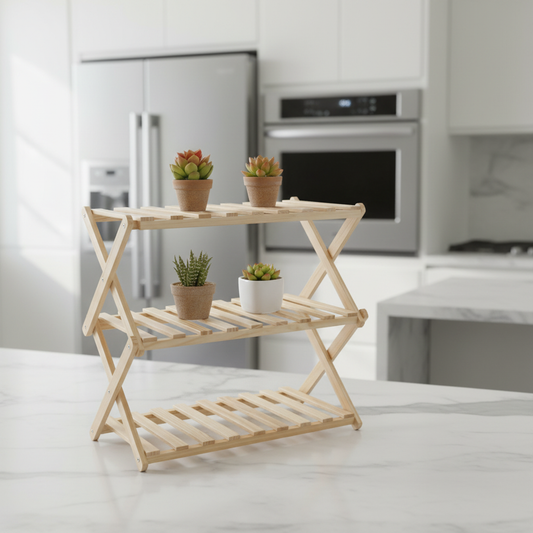
Foldable Wooden Rack – 3 Tiers (31 × 21 × 47.2 cm)
★★★★★(1)Regular price £67.00 GBPRegular price£98.00 GBPSale price £67.00 GBPSale -
Beech Wood Coat Rack – Minimalist Tripod Design
★★★★★(1)Regular price £72.00 GBPRegular price£107.00 GBPSale price £72.00 GBPSale -
Vintage Wooden Jewelry Box with Floral Motif and Handle – 26 × 18 × 17 cm
★★★★★(1)Regular price £32.00 GBPRegular price£76.00 GBPSale price £32.00 GBPSale -
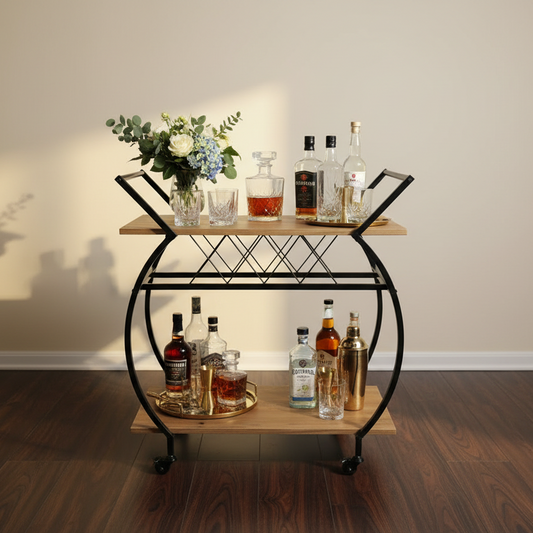
Bar cart with wine rack – 2 tiers, wood & metal, on wheels – rustic oak look – KING®
★★★★★(2)Regular price £116.00 GBPRegular price£165.00 GBPSale price £116.00 GBPSale -
Listerby Side Table – 50 cm
★★★★★(5)Regular price £81.00 GBPRegular price£125.00 GBPSale price £81.00 GBPSale -
Round nesting coffee table set – 2-piece with metal frame (Ø60 x 39 cm) - Second choice
★★★★★(1)Regular price £116.00 GBPRegular price£170.00 GBPSale price £116.00 GBPSale -
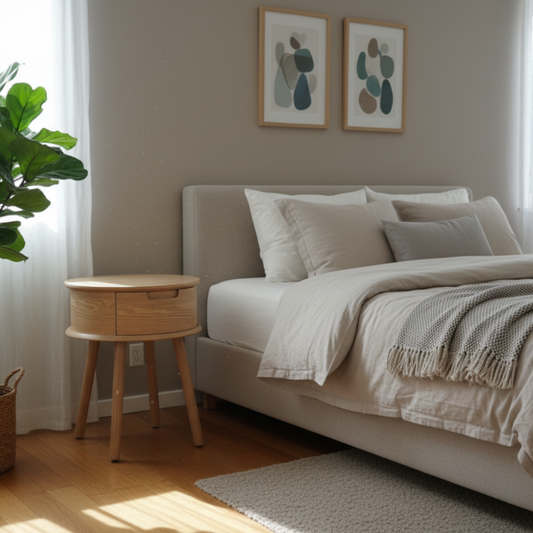
Round Bedside Table with 1 Drawer – Curved Design (Ø45 × 50 cm)
Regular price £72.00 GBPRegular price£107.00 GBPSale price £72.00 GBPSale -
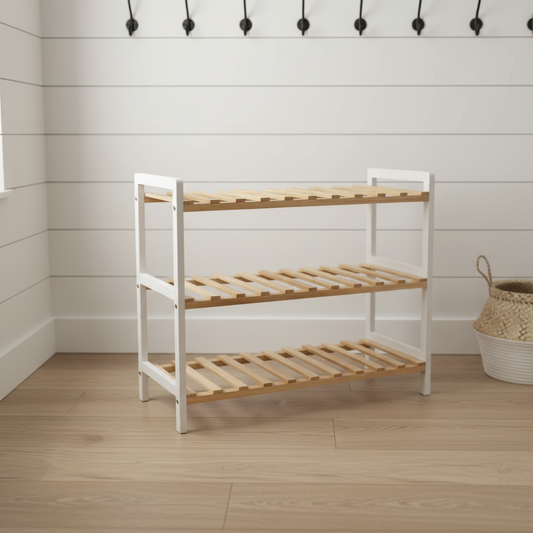
Modern Wooden Shoe Rack – 3 or 4 Tiers
★★★★★(1)Regular price From £63.00 GBPRegular price£85.00 GBPSale price From £63.00 GBPSale -
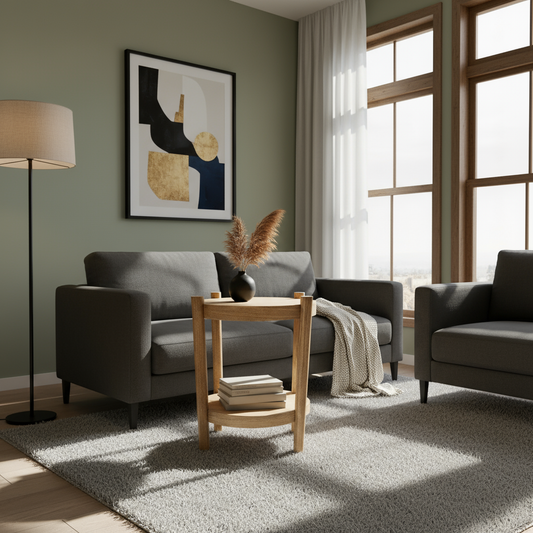
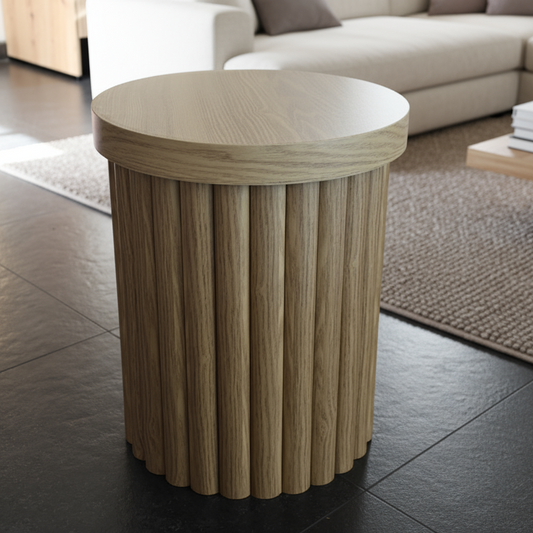
Round Side Table Ø40 × 48 cm – Oak-Look Finish
Regular price £72.00 GBPRegular price£134.00 GBPSale price £72.00 GBPSale -
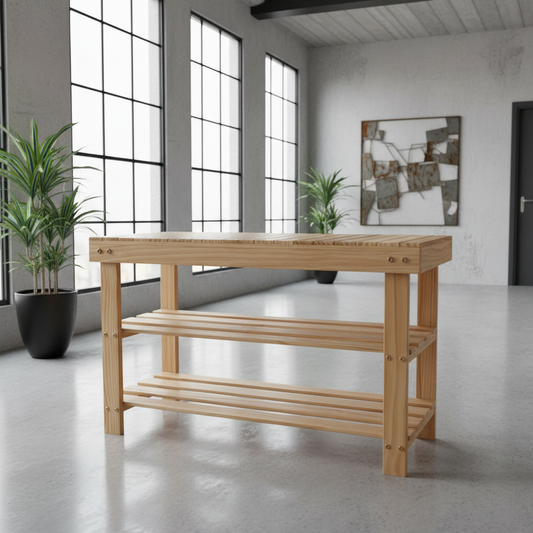
Bamboo Shoe Rack Bench – 3 Tiers, Durable & Multifunctional (70 × 27.9 × 45 cm)
★★★★★(2)Regular price £89.00 GBPRegular price£125.00 GBPSale price £89.00 GBPSale