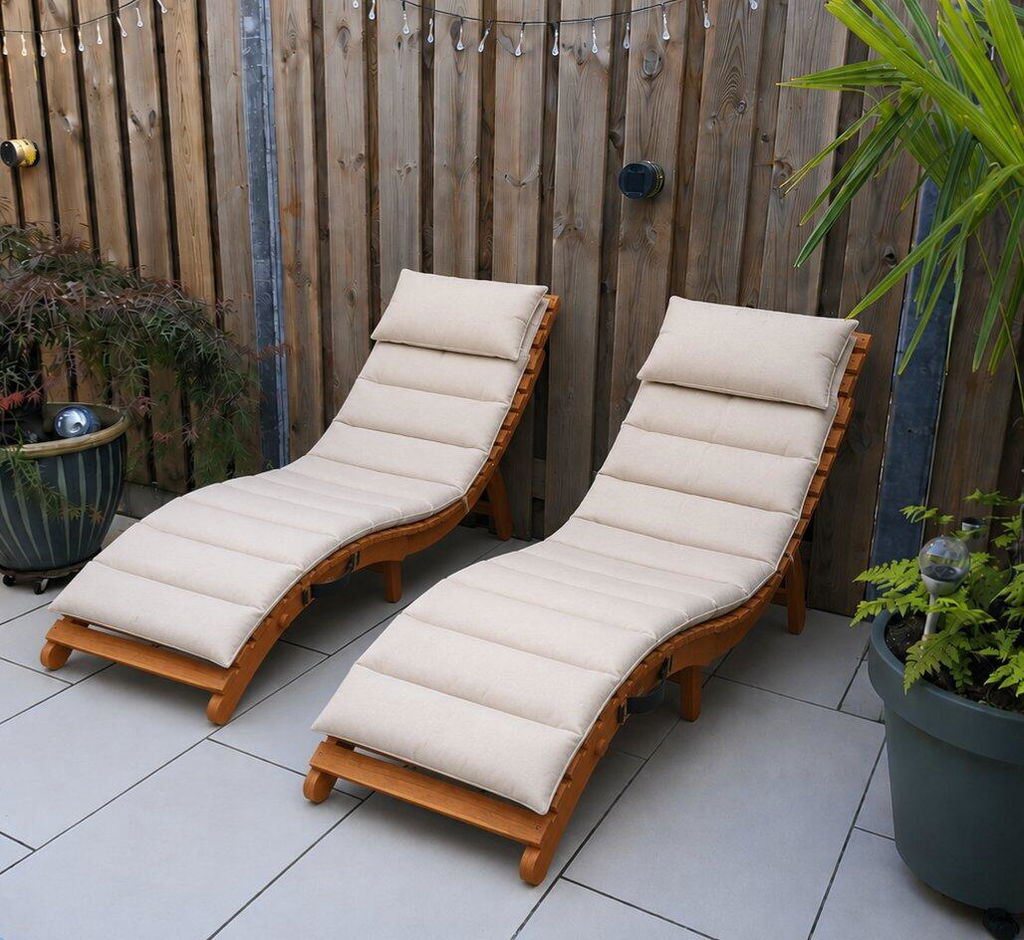
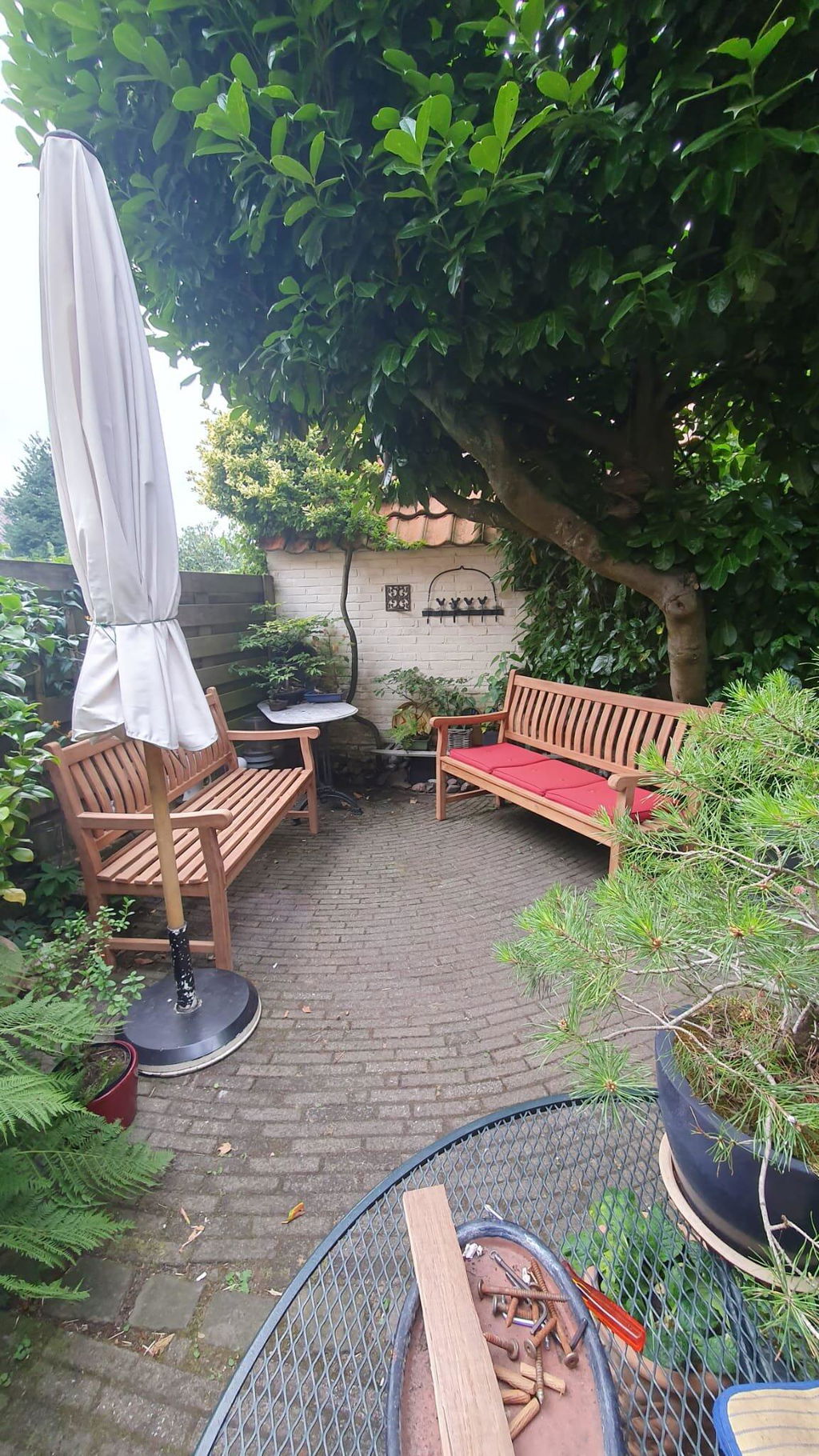
Imagine this: a warm summer evening, the sun slowly setting behind the horizon, and you are comfortably seated in your favorite wooden garden chair, a glass of wine in hand. There is something undeniably charming about wooden garden furniture. They bring a touch of nature to your outdoor space and create an atmosphere of tranquility and coziness. But like all good things in life, wooden garden furniture requires attention and care to maintain its beauty.
The Charm of Wood: More than Just Aesthetics
Wooden garden furniture is not just a trend; it is a timeless choice that has been appreciated for generations. Each piece of wood tells a story, with its unique grains and color variations. But the appeal of wood goes beyond just its appearance. The material is naturally durable, surprisingly comfortable (it doesn't get as hot in the sun as metal), and with the right maintenance, it can last for years.
Let’s delve deeper into the different types of wood commonly used for garden furniture, and how you can care for each type to enjoy them to the fullest.
Softwood: Affordable Beauty with a Price Tag
Softwood, sourced from fast-growing coniferous trees like pine, spruce, and Douglas fir, is a popular choice for budget-conscious garden enthusiasts. It is lightweight, easy to work with, and has a charming, rustic appearance. However, like many good deals, there is a catch: softwood requires more maintenance than its hardwood counterparts.
Imagine you’ve just purchased a beautiful set of pine garden chairs. They look stunning on your patio, but without proper care, they can show signs of weathering after just one season. Here’s what you can do to prevent this:
-
Protection from day one: Treat your new softwood furniture immediately with a wood preservative. Think of this process as applying an invisible shield that keeps moisture and UV rays at bay.
-
The art of staining: After preserving, it’s time to add color and extra protection with a coat of stain. Choose a shade that accentuates the wood's natural character. Applying stain is like glazing a cake – it adds color and seals the surface.
-
Annual renewal: Mark your calendar every spring: "Check garden furniture." An annual refresh with a new coat of stain keeps your furniture in top condition.
-
The winter hibernation: When the leaves fall and temperatures drop, it’s time to give your softwood furniture a warm, dry place indoors. If storing inside isn’t an option, invest in high-quality, waterproof covers.
Hardwood: The Sustainable Beauty of Nature
Step into the world of hardwood, and you enter a realm of sustainability and natural elegance. Woods like mahogany, acacia, and oak are known for their robustness and resistance to the elements. These woods are like the veterans of garden furniture – they have character and can take a beating.
Imagine a stunning set of acacia lounge chairs, with their warm, honey-colored tones and subtle grains. They are an investment, certainly, but with the right care, they can last for generations. Here’s how to ensure they always look their best:
-
Oil, the life elixir: Hardwood thrives on a good oil treatment. Choose a high-quality hardwood oil and apply it annually. It’s like a spa treatment for your furniture – it nourishes the wood, brings the natural colors to life, and provides protection against UV rays and moisture.
-
The art of cleaning: For daily care, a damp cloth is often sufficient. But twice a year, it’s time for a thorough cleaning. Use a mild soap solution and a soft brush to remove dirt and grime. Rinse well and let dry in the sun.
-
Respect the graying: Some hardwood furniture, especially teak, develops a beautiful silver-gray patina over time. This is a natural process that many enthusiasts appreciate. If you want to maintain this look, minimal maintenance is sufficient. Want to keep the original color? Then regular oiling is a must.
Teak: The King of Garden Furniture
If there is one type of wood that deserves the title 'royalty' among garden furniture, it is teak. This golden-hued wood, rich in natural oils, is almost legendary for its durability and resistance to rot, mold, and even termites.
Imagine a classic teak garden bench, the kind of piece that gets passed down through generations. With minimal care, such a bench can literally last a lifetime. Here’s how to care for this royal wood:
-
Clean with respect: Teak requires a gentle approach. Use a special teak cleaner and a soft brush to remove dirt. Avoid pressure washers, which can damage the soft surface.
-
To oil or not to oil: This is often a matter of personal preference. Teak oil can preserve the original honey color, but many enthusiasts allow their teak to naturally gray for a timeless, elegant look.
-
Protection from extreme conditions: While teak is resistant to most weather conditions, it’s wise to protect the furniture from prolonged exposure to intense sun or heavy rainfall. A good cover can work wonders.
Mango Wood: The Rising Star
In recent years, mango wood has carved out a niche in the world of garden furniture. This wood, sourced from discarded mango trees, offers an eco-friendly alternative with a unique character.
Imagine a mango wood dining set on your patio, with its warm, varied tones and interesting grain pattern. It’s a conversation starter and an environmentally conscious choice all in one. Here’s how to keep it in top condition:
-
Hydration is key: Mango wood loves a good moisture balance. Use a nourishing wood oil to keep the wood supple and resilient. Remember to do this at least once a year, or more often if the furniture gets a lot of sun.
-
Protection from the elements: Mango wood is durable, but not as weather-resistant as teak. Consider using a sealer to close the wood's pores and provide extra protection against moisture.
-
Winter precautions: If possible, store mango wood furniture indoors during the coldest and wettest months. This significantly extends their lifespan.
An Overview of Maintenance Practices
To make it easier for you, we have compiled a handy overview of the key maintenance practices for each type of wood:
| Wood Type |
Cleaning Frequency |
Treatment |
Protection |
| Softwood |
Monthly |
Annual staining |
Cover in winter |
| Hardwood |
Twice a year |
Annual oiling |
UV-protective oil |
| Teak |
Twice a year |
Optional oiling |
Minimal protection needed |
| Mango Wood |
Twice a year |
Annual oiling |
Use sealer |
Troubleshooting: First Aid for Wood Problems
Even with the best care, problems can sometimes arise. Here are some common issues and how to tackle them:
Mold and mildew: These unwanted guests can appear in damp conditions. Make a solution of one part bleach to four parts water. Gently brush this onto the affected areas, let it sit for 15 minutes, and rinse thoroughly. Allow to dry well and re-treat with a protective agent.
Scratches and dents: Small accidents happen. For light scratches, you can carefully sand with fine sandpaper in the direction of the grain. Deeper dents can be filled with wood filler. Let it dry, sand smooth, and re-treat the surface.
Loose joints: Over time, joints can loosen. Remove old glue, apply new wood glue, and clamp the pieces tightly together until the glue has cured. Fill any gaps with wood filler, sand smooth, and re-treat.
The Future of Wooden Garden Furniture: Sustainability First
In a time when sustainability is becoming increasingly important, wooden garden furniture plays an interesting role. They are biodegradable, often made from renewable sources, and with proper maintenance, they can last a lifetime.
Here are some tips to make your maintenance practices even more eco-friendly:
-
Opt for natural products: Experiment with natural oils like linseed oil or beeswax for protection. These products are not only eco-friendly but also give your furniture a beautiful, natural shine.
-
Go for water-based: If you choose commercial products, opt for water-based options instead of oil-based products. These are less harmful to the environment and often just as effective.
-
Upcycling and recycling: At the end of their lifespan, wooden furniture can often be upcycled into new, creative pieces. And if that’s not possible, they can be responsibly recycled or composted.
In Conclusion: An Investment in Beauty and Sustainability
Maintaining wooden garden furniture is more than just a task; it is a form of respect for the material and the craftsmanship that has gone into it. With every oil treatment, every cleaning, and every protective layer you apply, you not only extend the life of your furniture but also deepen your connection to it.
Remember that each piece of wood is unique, with its own character and needs. Take the time to get to know your furniture, observe how they respond to different weather conditions, and adjust your maintenance accordingly. With the right care, your wooden garden furniture will not only be functional seating but true works of art that beautify your outdoor space.
So the next time you sit in your garden, with the sun on your face and a cool drink in hand, take a moment to appreciate the beauty of your wooden furniture. With a little love and attention, they will be there to share many more summers with you, silent witnesses to countless moments of relaxation, conversation, and laughter.