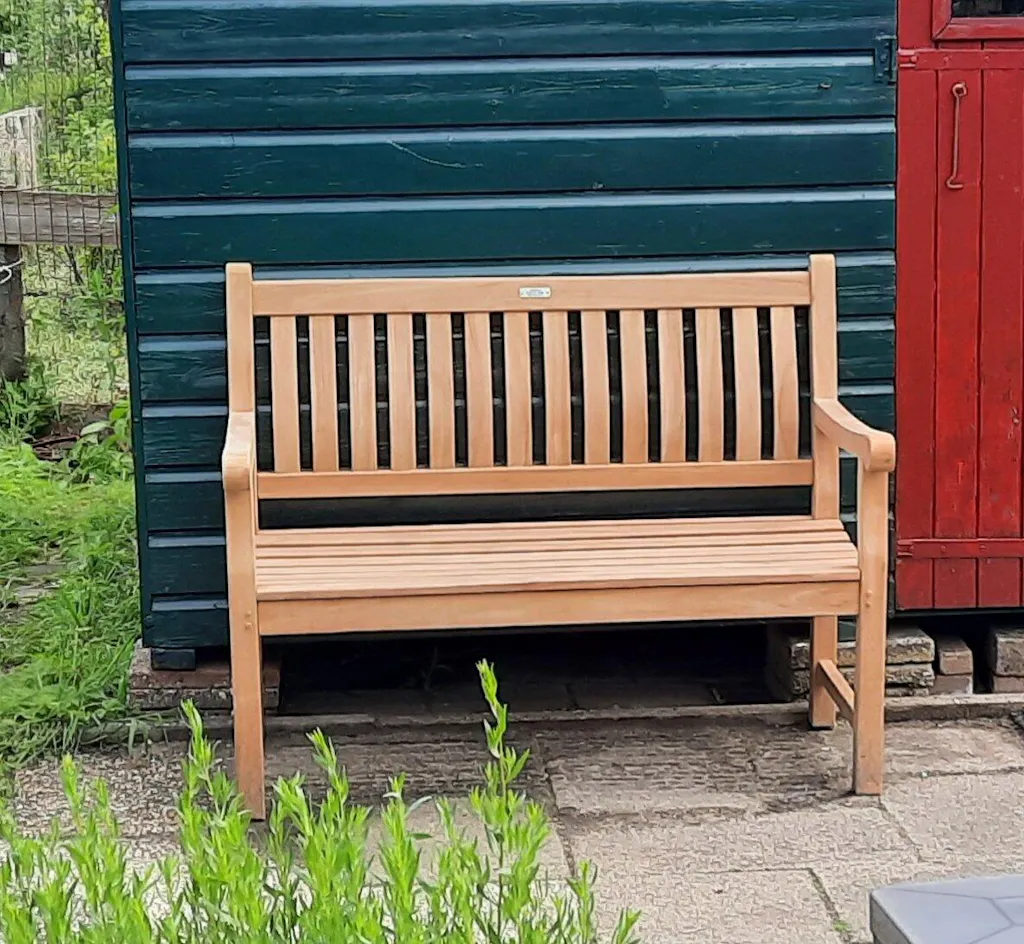
Choosing the right wood type is invaluable for the success of any woodworking project. Whether you are creating a piece of furniture, a construction element, or a decorative feature, the properties of the chosen wood will have a profound impact on both the aesthetics and functionality of the final result. Below, we explore the key factors to consider when making an informed choice.

1. The fundamental properties of wood
Density and hardness
The density of wood, expressed in kg/m³, directly correlates with its hardness and durability. Wood types with high density, such as ebony, offer excellent resistance to wear and are ideal for applications that require frequent loading. Lighter woods, such as balsa, are better suited for projects where weight savings are crucial.
Moisture content and dimensional stability
The moisture content of wood plays a crucial role in its dimensional stability. Woods such as teak or cedar exhibit superior stability due to their natural oils, making them less sensitive to environmental moisture.
Durability and resistance to decay
The natural resistance of wood to fungi, insects, and decay varies significantly. Wood types such as Western Red Cedar are among the more durable options, while beech shows lower natural resistance.
2. Aesthetic considerations in wood selection
Color and texture
The visual appeal of wood is intrinsically linked to its color and texture. For example, the warm reddish-brown of mahogany or the light honey-colored appearance of maple offers unique aesthetic possibilities.
Grain and figure
The grain of the wood significantly contributes to its visual character. Straight grains provide a classic look, while wavy grains create a more dynamic effect. Wood types such as birdseye maple exhibit unique figures that are particularly decorative.
3. Mechanical properties and applications
Bending strength and modulus of elasticity
Wood types with high bending strength, such as hickory or oak, are ideal for structural elements. The modulus of elasticity is important in determining suitability for specific applications.
Compressive strength and tensile strength
Wood types such as Douglas fir offer excellent compressive strength for structural applications. Tensile strength is important for elements exposed to tensile stresses, such as in archery.
Workability
Softwoods such as pine are easier to work with, while dense hardwoods like ebony require special techniques. The presence of knots and the density of the grain affect workability.
4. Durability and environmental considerations
Renewability and forest management
Wood types such as bamboo offer a sustainable option due to their rapid growth. FSC or PEFC certified wood ensures that it comes from responsibly managed forests.
Carbon footprint and life cycle analysis
Factors such as transportation distance and processing methods contribute to the ecological footprint of wood. A life cycle analysis helps in making environmentally conscious choices.
5. Practical considerations in selection
Cost considerations
The price of wood varies depending on rarity and processing costs. Exotic hardwoods such as mahogany are among the more expensive options, while locally grown softwoods are more economical.
Availability and dimensions
The availability of specific wood types can vary depending on location and seasonal factors. Consider these limitations early in the design process.
Compatibility with finishing methods
Certain wood types such as oak contain tannins that react with finishing products. It is crucial to ensure compatibility between wood type and finish.
Comparative analysis of commonly used wood types
| Wood Type |
Density (kg/m³) |
Durability Class |
Bending Strength (N/mm²) |
Workability |
Typical Applications |
| Oak |
670-760 |
2 |
88-110 |
Moderate |
Furniture, flooring, construction |
| Beech |
680-750 |
5 |
105-125 |
Good |
Furniture, toys, kitchenware |
| Pine |
500-550 |
3-4 |
80-100 |
Very good |
Construction, pallets, interior joinery |
| Teak |
630-680 |
1-2 |
95-110 |
Moderate |
Outdoor furniture, boat decks |
| Maple |
620-700 |
5 |
95-115 |
Very good |
Musical instruments, kitchenware, flooring |