Toppers
How can you build wooden landscape elements that are resistant to weather conditions?
Creating durable wooden landscape elements that withstand weather conditions is essential for a long-lasting beautiful and functional garden. By using the right materials, construction techniques, and protection methods, you can build wooden structures that last for years.
1. Choice of Wood Types
Choosing the right type of wood is crucial for weather resistance:
| Wood Type | Durability Class | Properties | Suitable For |
|---|---|---|---|
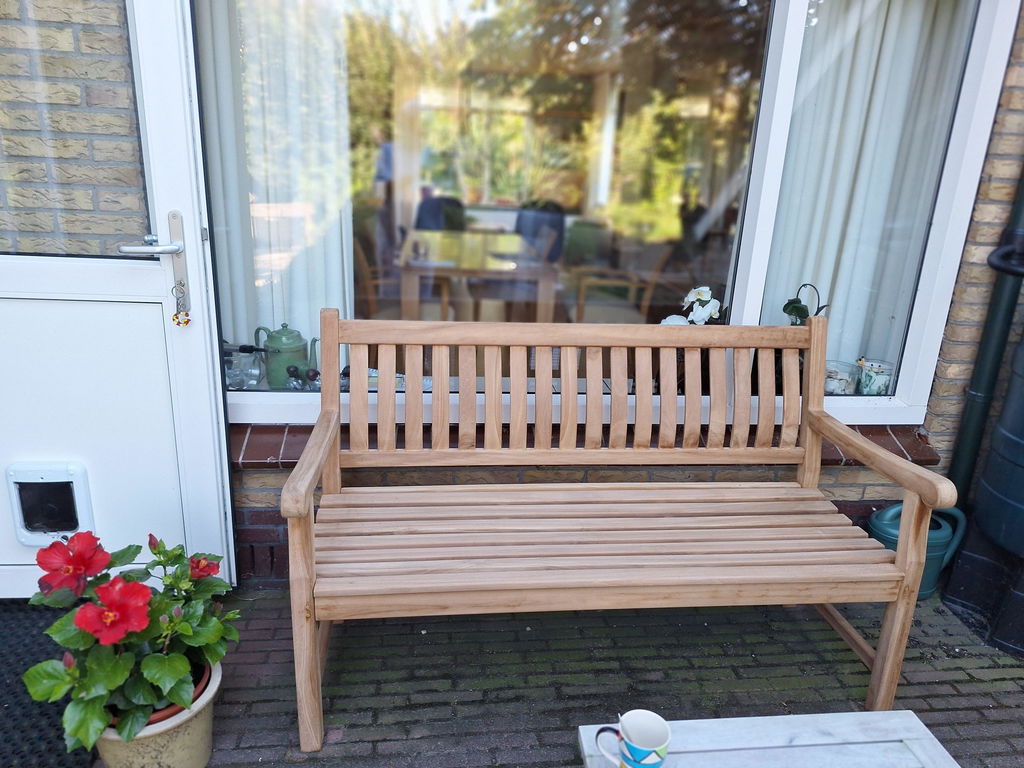
| Teak | 1 | Very durable, oil-rich | Furniture, decks |
| Robinia | 1-2 | Hard, rot-resistant | Posts, beams |
| Western Red Cedar | 2 | Light, aromatic | Cladding, pergolas |
| Larch | 3 | Strong, resin-rich | Fences, decking |
| Treated Pine | 1-2 (treated) | Affordable, versatile | General use |
2. Construction Techniques
Use these techniques to enhance durability:
- Raised construction
- Prevents direct ground contact
- Improves air circulation
- Drainage angles
- Minimum 15° slope on horizontal surfaces
- Prevents water pooling
- Ventilation
- Leave space between boards for air circulation
- Prevents mold growth
- Connections
- Use stainless steel or galvanized fasteners
- Prevent galvanic corrosion
- Capping
- Protect the tops of vertical elements
- Use capping strips or metal cover profiles
3. Protective Treatments
Various methods to protect wood:
- Oils (e.g., linseed oil, tung oil)
- Stains (transparent or opaque)
- Paints (for maximum UV protection)
- Impregnation (for softwoods)
- Thermal modification (for increased durability)
Comparison of Treatments:
| Treatment | UV Protection | Water Repellency | Durability | Maintenance |
|---|---|---|---|---|
| Oils | Low | Moderate | 1-2 years | High |
| Stains | Moderate | Good | 2-3 years | Average |
| Paints | High | Excellent | 5+ years | Low |
| Impregnation | Low | Good | 10+ years | Low |
| Thermally Modified | Moderate | Good | 25+ years | Low |
4. Design for Weather Resistance
Smart design choices can extend the lifespan:
- Overhang: Create overhanging roofs or edges
- Raised elements: Keep wood off the ground
- Water drainage: Ensure proper drainage around structures
- Sheltered locations: Place sensitive elements out of the wind
- Modular design: Create easily replaceable parts
5. Regular Maintenance
Essential maintenance tasks:
- Annual inspection
- Cleaning (high pressure or soft brush)
- Reassessment of protective layers
- Timely repairs
- Replacement of damaged parts
6. Innovative Materials and Techniques
New developments for enhanced weather resistance:
- Composite wood materials
- Acetylation of wood (e.g., Accoya)
- Nanocoatings for improved water repellency
- UV-resistant finishes
- Elastic joints for movement
7. Specific Applications and Tips
7.1 Fences and Railings
- Use concrete feet for posts
- Install drainage holes in concrete feet
- Consider horizontal designs for better water drainage
7.2 Terraces and Decking
- Ensure sufficient space between boards (5-8 mm)
- Use a substructure made of durable material
- Apply anti-slip treatments for wet conditions
7.3 Pergolas and Pavilions
- Reinforce connections with metal fittings
- Consider a waterproof roof or fabric
- Opt for thicker wood for structural elements
7.4 Planters
- Line the inside with waterproof material
- Create drainage holes in the bottom
- Use raised feet for air circulation
Conclusion
Building weather-resistant wooden landscape elements requires a combination of the right material choice, smart construction techniques, and regular maintenance. By applying these principles, you can create durable wooden structures that withstand the test of time and continue to beautify your garden for years to come.