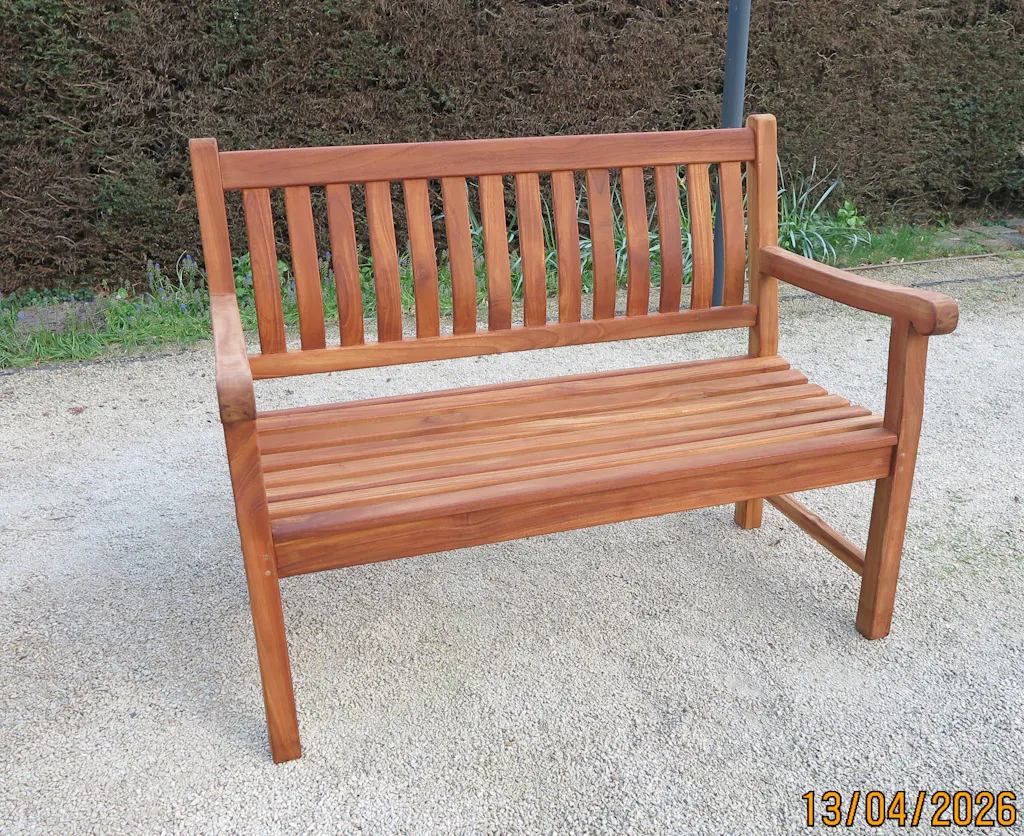
Sustainability in the Modern Woodworking Industry
Sustainability plays an increasingly important role in the modern woodworking industry. The focus is not only on creating high-quality products but also on minimizing the impact on the environment. In this article, we discuss various sustainable practices applied in woodworking, ranging from responsible forestry to innovative recycling methods.
Sections
- Responsible Forestry
- Use of Sustainable Materials
- Efficient Production Process
- Innovative Recycling Methods
- Comparison: Traditional vs. Modern Sustainable Practices
1. Responsible Forestry
Certification Systems: Organizations such as FSC (Forest Stewardship Council) and PEFC (Programme for the Endorsement of Forest Certification) certify forests that are managed sustainably. Wood sourced from these forests ensures that the environment, biodiversity, and the rights of local communities are respected.
| Certification |
Features |
Examples of Application |
| FSC |
Protection of forests and biodiversity |
Furniture, construction materials, paper products |
| PEFC |
Promotion of sustainable forest management |
Construction wood, packaging material |
2. Use of Sustainable Materials
Bamboo and Cork: Bamboo and cork are sustainable alternatives to traditional hardwood. They grow quickly, are renewable, and have a lower ecological footprint.
Recycled Wood: Reusing wood from old buildings and furniture reduces waste and limits the need for new logging.
| Material |
Properties |
Applications |
| Bamboo |
Fast growth, strong fiber structure |
Flooring, furniture, decorative elements |
| Cork |
Renewable, insulating, lightweight |
Wall panels, flooring, accessories |
| Recycled Wood |
Reduces waste, retains character |
Furniture, constructions, design objects |
3. Efficient Production Process
CNC Machines: Computer Numerical Control (CNC) machines reduce waste by providing precision in cutting and shaping wood. This ensures a more efficient use of materials.
Optimization of Residual Material: Many modern woodworking companies use residual material to create smaller products or as fuel for biomass boilers.
| Technique |
Benefits |
Applications |
| CNC Machines |
Precision, waste reduction |
Furniture production, art objects |
| Residual Material Optimization |
Full use of raw materials |
Small accessories, energy production |
4. Innovative Recycling Methods
Wood Composites: Wood composites, made from recycled wood fibers and plastics, offer a sustainable alternative to traditional wood. They are low-maintenance and resistant to rot and insects.
Bio-based Plastics: Bio-based plastics, made from plant sources, are increasingly being combined with wood fibers for the production of sustainable building materials and furniture pieces.
| Method |
Properties |
Applications |
| Wood Composites |
Low-maintenance, durable |
Decking, cladding |
| Bio-based Plastics |
Renewable, environmentally friendly |
Furniture, decorative elements |
5. Comparison: Traditional vs. Modern Sustainable Practices
| Aspect |
Traditional Practices |
Modern Sustainable Practices |
| Forest Management |
Selective logging, replanting |
FSC and PEFC certification, biodiversity protection |
| Material Use |
Hardwood, locally available wood species |
Bamboo, cork, recycled wood, wood composites |
| Production Process |
Manual, use of simple tools |
CNC machines, residual material optimization |
| Waste Management |
Limited recycling, use as fuel |
Innovative recycling methods, zero-waste production |
Conclusion
Modern woodworking practices embrace sustainability through responsible forestry, the use of sustainable materials, efficient production processes, and innovative recycling methods. These approaches ensure that the woodworking industry contributes to a sustainable future without compromising on quality or aesthetics. By integrating both traditional and modern techniques, woodworkers can create products that are both beautiful and environmentally friendly.