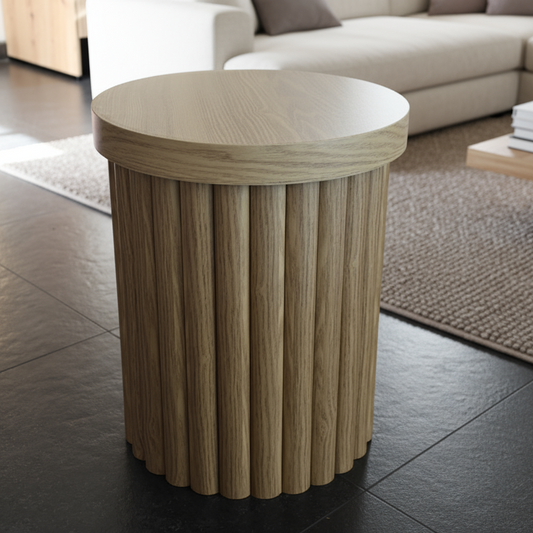
Accoya wood
Accoya wood: the revolution in sustainable building
Discover the power of innovation and sustainability in one product: Accoya wood, the future of eco-friendly building and design.

Accoya wood is a high-quality modified wood known for its exceptional durability, stability, and eco-friendly properties. This wood is produced through a process called acetylation, which alters the chemical structure of the wood to enhance performance without adding harmful chemicals. Accoya wood is becoming increasingly popular for both indoor and outdoor applications due to its outstanding characteristics.
The acetylation process
Acetylation is a process where wood is treated with acetic anhydride, a derivative of acetic acid. This process changes the chemical structure of the wood cells, making the wood much less hygroscopic (absorbing moisture) and therefore more stable and durable. The process can be divided into three main phases:
- Preparation: The wood is first dried to achieve a consistent moisture content.
- Acetylation: The dry wood is exposed to acetic anhydride, which converts the hydroxyl groups in the wood cells into acetyl groups. This reduces the wood's capacity to absorb water.
- Conditioning: After acetylation, the wood is rinsed and dried until the desired moisture content is reached.

Benefits of Accoya wood
Accoya wood offers a wide range of benefits:
- ✔ Exceptional durability: Belongs to the highest durability class (class 1), with a lifespan of over 50 years above ground and 25 years below ground or in water.
- ✔ Dimensional stability: Reduced swelling and shrinkage result in a highly stable product.
- ✔ Eco-friendliness: Made from sustainably managed forests, without the use of harmful chemicals.
- ✔ Long lifespan: Contributes to lower maintenance and replacement costs.
- ✔ Excellent workability: Easy to saw, plane, drill, and sand.
Applications of Accoya wood
Thanks to its enhanced durability and stability, Accoya wood is suitable for a wide range of applications, both indoors and outdoors:
- Siding: Ideal due to weather resistance and aesthetic appeal.
- Windows and doors: Perfect for applications that need to withstand the elements.
- Decking and flooring: Slip-resistant and durable.
- Garden furniture: Low-maintenance solution for outdoor furniture.
- Construction structures: Suitable for beams and columns due to strength and stability.

Comparison with other treated woods
| Feature | Accoya wood | Thermowood | Treated wood |
|---|---|---|---|
| Treatment process | Acetylation | Heat and steam | Chemical preservatives |
| Eco-friendliness | High | High | Low |
| Durability | Very high | High | High |
| Mechanical strength | Retains original strength | May decrease | Retains original strength |
Durability and environmental impact
Accoya wood is one of the most eco-friendly wood types available. The acetylation process uses no harmful chemicals, and the wood itself comes from sustainably managed forests. Moreover, the treatment significantly extends the lifespan of the wood, reducing the need for frequent replacement and the associated environmental costs. At the end of its lifespan, Accoya wood is fully recyclable.
Conclusion
Accoya wood offers an innovative and eco-friendly solution for a wide range of applications, from siding and windows to decking and garden furniture. Thanks to the acetylation process, Accoya wood has exceptional durability and stability, resulting in a longer lifespan and lower maintenance costs. While the initial costs may be higher, the long-term benefits of Accoya wood make it a valuable investment for both residential and commercial projects. With its excellent performance and eco-friendly properties, Accoya wood is an outstanding choice for anyone looking for high-quality, sustainable wood.
For more information about sustainable wood products and their applications, check out our collection of hardwood products.
Super Sales
-
Liora Flow Coffee Table – Cream Organic Masterpiece
Regular price €129,95 EURRegular price€179,95 EURSale price €129,95 EURSale -
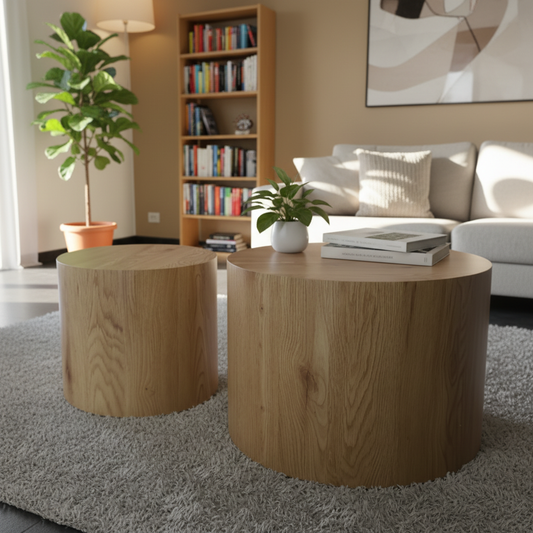
Round Wooden Coffee Table Set of 2
Regular price €54,95 EURRegular price€99,95 EURSale price €54,95 EURSale -
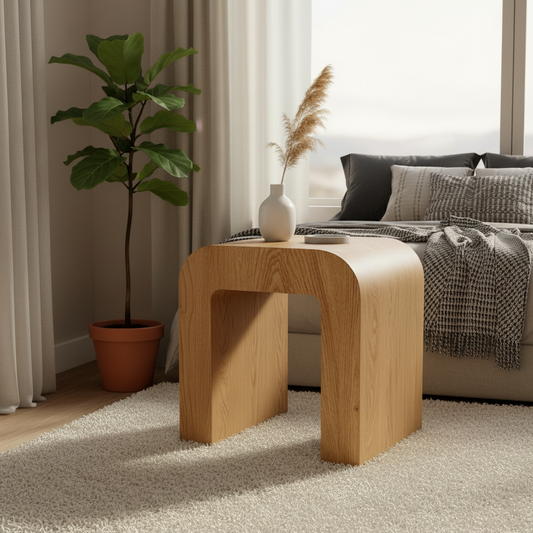
Modern Curved Side Table in Wood-Look Finish – 40 × 30 × 45 cm
Regular price €39,95 EURRegular price€69,95 EURSale price €39,95 EURSale -
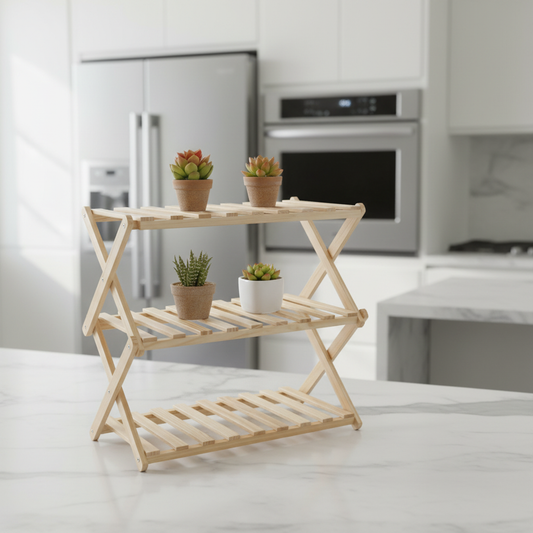
Foldable Wooden Rack – 3 Tiers (31 × 21 × 47.2 cm)
★★★★★(1)Regular price €22,95 EURRegular price€49,95 EURSale price €22,95 EURSale -
Beech Wood Coat Rack – Minimalist Tripod Design
★★★★★(1)Regular price €39,95 EURRegular price€99,95 EURSale price €39,95 EURSale -
Vintage Wooden Jewelry Box with Floral Motif and Handle – 26 × 18 × 17 cm
★★★★★(1)Regular price €18,95 EURRegular price€39,95 EURSale price €18,95 EURSale -
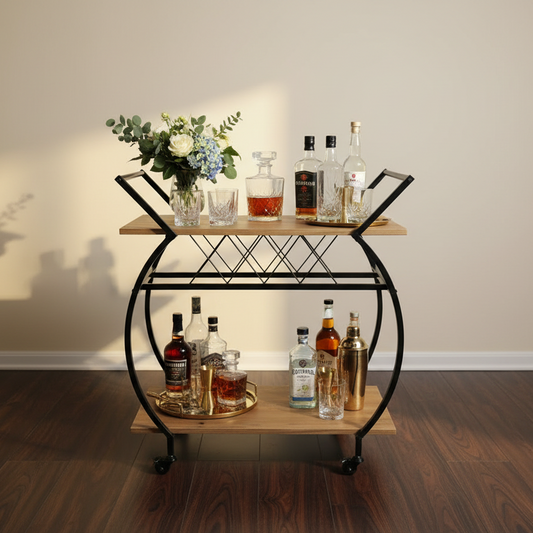
Bar cart with wine rack – 2 tiers, wood & metal, on wheels – rustic oak look – KING®
★★★★★(2)Regular price €79,95 EURRegular price€149,95 EURSale price €79,95 EURSale -
Listerby Side Table – 50 cm
★★★★★(5)Regular price €59,95 EURRegular price€139,95 EURSale price €59,95 EURSale -
Round nesting coffee table set – 2-piece with metal frame (Ø60 x 39 cm) - Second choice
★★★★★(1)Regular price €59,95 EURRegular price€99,95 EURSale price €59,95 EURSale -
Round Bedside Table with 1 Drawer – Curved Design (Ø45 × 50 cm)
Regular price €29,95 EURRegular price€59,95 EURSale price €29,95 EURSale -
Modern Wooden Shoe Rack – 3 or 4 Tiers
★★★★★(1)Regular price From €29,95 EURRegular price€49,95 EURSale price From €29,95 EURSale -
Round Side Table Ø40 × 48 cm – Oak-Look Finish
Regular price €39,95 EURRegular price€79,95 EURSale price €39,95 EURSale