Skip to content

Wood or Composite: Which Choice is Best for Your Project?

When choosing materials for outdoor projects such as patios, decks, fences, and garden furniture, you often face the choice between traditional wood and modern composite. Both materials have their own advantages and disadvantages, and the best choice depends on your specific needs and preferences. Below is a comprehensive comparison of wood and composite to help you make the right decision.

Wood

Wood is a classic building material that has been used for centuries. It is loved for its natural beauty, durability, and versatility.

Advantages of Wood

  1. Aesthetics: Wood has a warm, natural appearance that is hard to match with synthetic materials. Each plank is unique, with its own grains and colors.
  2. Feel and Experience: Wood feels natural and warm to the touch. It has a certain charm and authenticity.
  3. Availability: Wood is widely available in various types and qualities, such as hardwood (e.g., oak, teak) and softwood (e.g., spruce, pine).
  4. Workability: Wood is relatively easy to saw, drill, sand, and work with standard tools.
  5. Cost: Often cheaper to purchase than composite, especially softwood varieties.

Disadvantages of Wood

  1. Maintenance: Wood requires regular maintenance such as staining, oiling, or painting to protect it from the elements and extend its lifespan.
  2. Durability: Not all types of wood are equally durable. Softwood can rot faster or be affected by insects. Hardwood is more durable but often more expensive.
  3. Movement: Wood is sensitive to shrinking, swelling, and warping due to changing moisture and temperature conditions.
  4. Environmental Impact: Cutting down trees for wood can have a negative impact on the environment, although sustainably managed forests can mitigate this impact.

Composite

Composite is a modern building material made from a mix of wood fibers and plastics. It is designed to mimic the aesthetics of wood with improved durability and less maintenance.

Advantages of Composite

  1. Low Maintenance: Composite requires minimal maintenance. It does not need to be stained, oiled, or painted. Regular cleaning with water and soap is usually sufficient.
  2. Durability: Composite is highly resistant to rot, mold, insects, and moisture. It retains its shape and color better than wood.
  3. Uniformity: Composite boards are consistent in color and texture, providing a uniform appearance.
  4. Environmental Impact: Many composite materials are made from recycled wood fibers and plastics, contributing to waste reduction.
  5. Safety: Composite does not splinter, making it safer for families with children and pets.

Disadvantages of Composite

  1. Aesthetics: Although composite is available in a wide range of colors and textures, it often lacks the natural charm and variation of real wood.
  2. Cost: Composite is usually more expensive to purchase than wood, especially high-quality composite materials.
  3. Heat Absorption: Composite can become warmer than wood in direct sunlight, which can be uncomfortable for bare feet.
  4. Weight: Composite is often heavier than wood, which can complicate transport and installation.

Applications and Considerations

1. Patios and Decks

  • Wood: Provides a natural and warm appearance but requires regular maintenance. Hardwood like teak and ipe are excellent choices due to their durability.
  • Composite: Ideal for those who want low maintenance. It is resistant to moisture and rot, making it perfect for patios and decks.

2. Fences and Gates

  • Wood: Offers a classic and rustic appearance. Softwood like pine and spruce is inexpensive but requires more maintenance. Hardwood is more durable.
  • Composite: Low maintenance and durable. It provides a uniform appearance and stays beautiful longer without much upkeep.

3. Garden Furniture

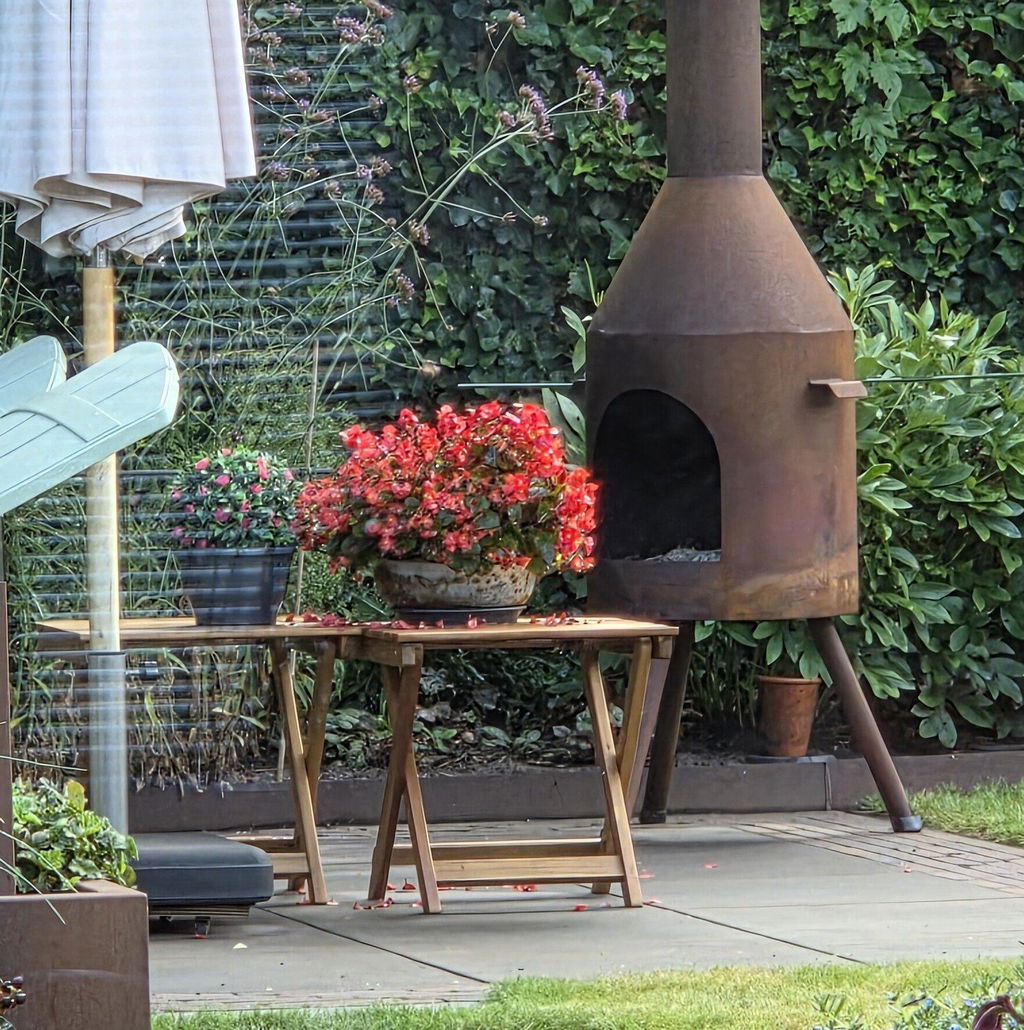
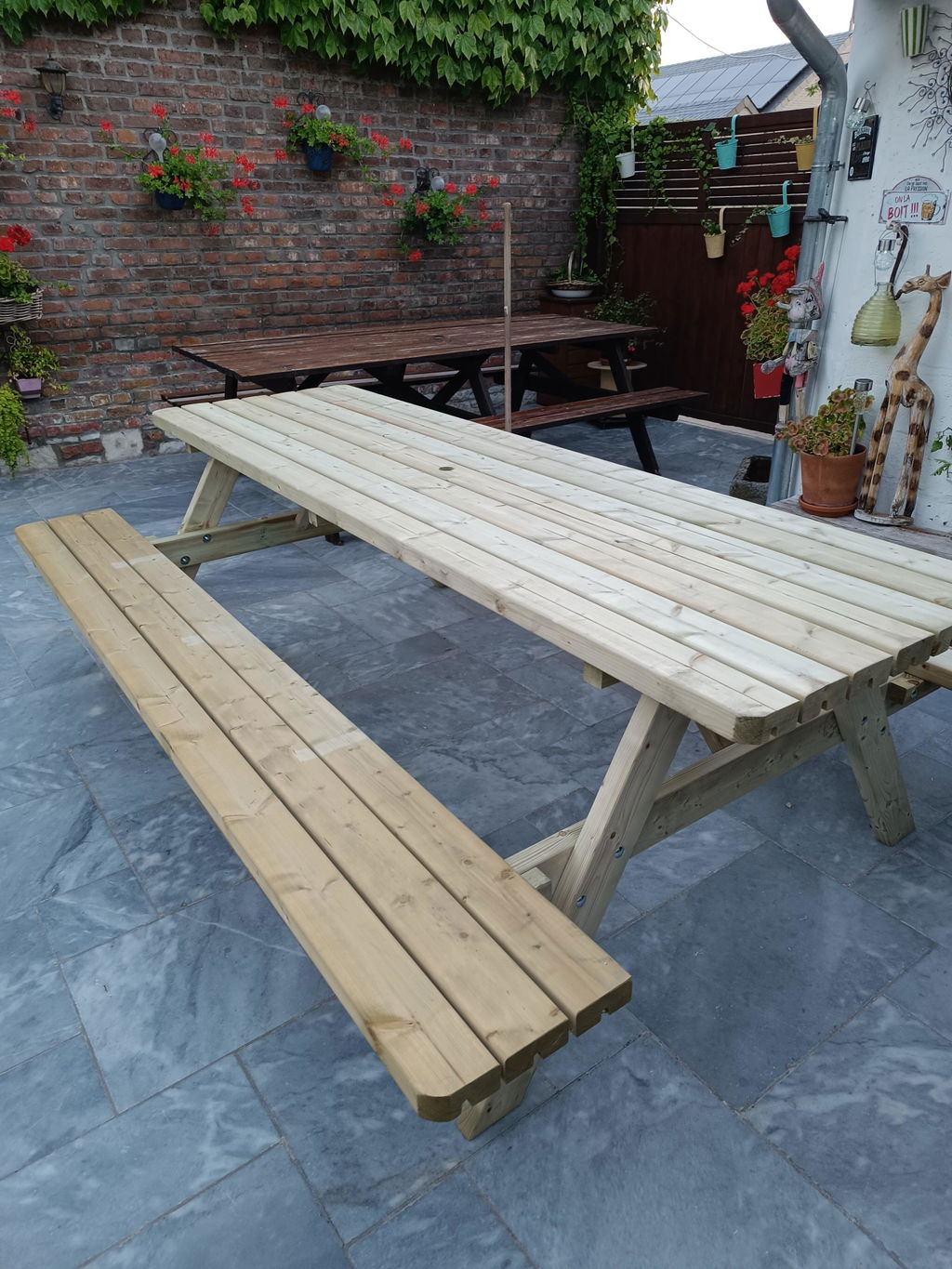
  • Wood: Wooden furniture has a natural charm and is comfortable. Hardwood is the best choice due to its durability and weather resistance.
  • Composite: Very durable and low maintenance. Composite furniture withstands the elements and retains its appearance longer without much upkeep.

4. Construction and Building

  • Wood: Versatile and easy to work with. Suitable for a wide range of construction applications, from pergolas to garden sheds.
  • Composite: Less common in structural applications but excellent for decorative and finishing projects.

Conclusion

The choice between wood and composite depends on your specific needs, budget, and preferences. Wood offers a natural aesthetic and versatility but requires more maintenance. Composite is durable and low maintenance but sometimes lacks the natural charm of wood.

  • Choose wood if you prefer a natural look and are willing to perform regular maintenance.
  • Choose composite if you are looking for a low-maintenance, durable material that withstands the elements.

When making your decision, it's important to consider the specific requirements of your project and your personal preferences for aesthetics and maintenance.

Compare products

{"one"=>"Select 2 or 3 items to compare", "other"=>"{{ count }} of 3 items selected"}

Select first item to compare

Select second item to compare

Select third item to compare

class=" product-compare-drawer__link button-primary disabled " href="/en-fi" data-product-compare-drawer-link data-product-compare-drawer-link-text="Compare" > Compare