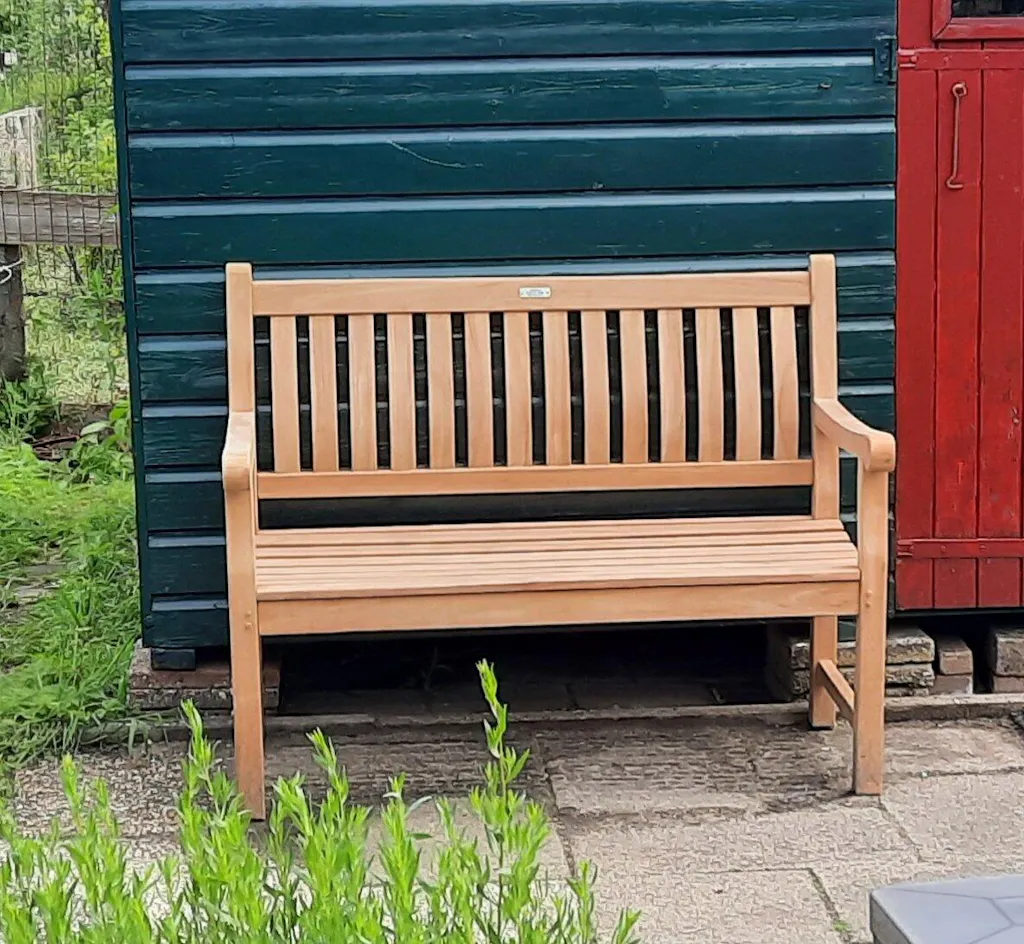
Hardwood: The Natural Powerhouse in Construction and Design
Hardwood, sourced from broadleaf trees (angiosperms), differs fundamentally from softwood derived from conifers. The key distinction lies not primarily in measured hardness (some softwoods can be surprisingly strong), but in botanical origin: broadleaf trees grow slowly, produce dense fibers, and often develop high natural resistance to moisture, fungi, and insects. This results in a material that lasts generations with minimal maintenance.
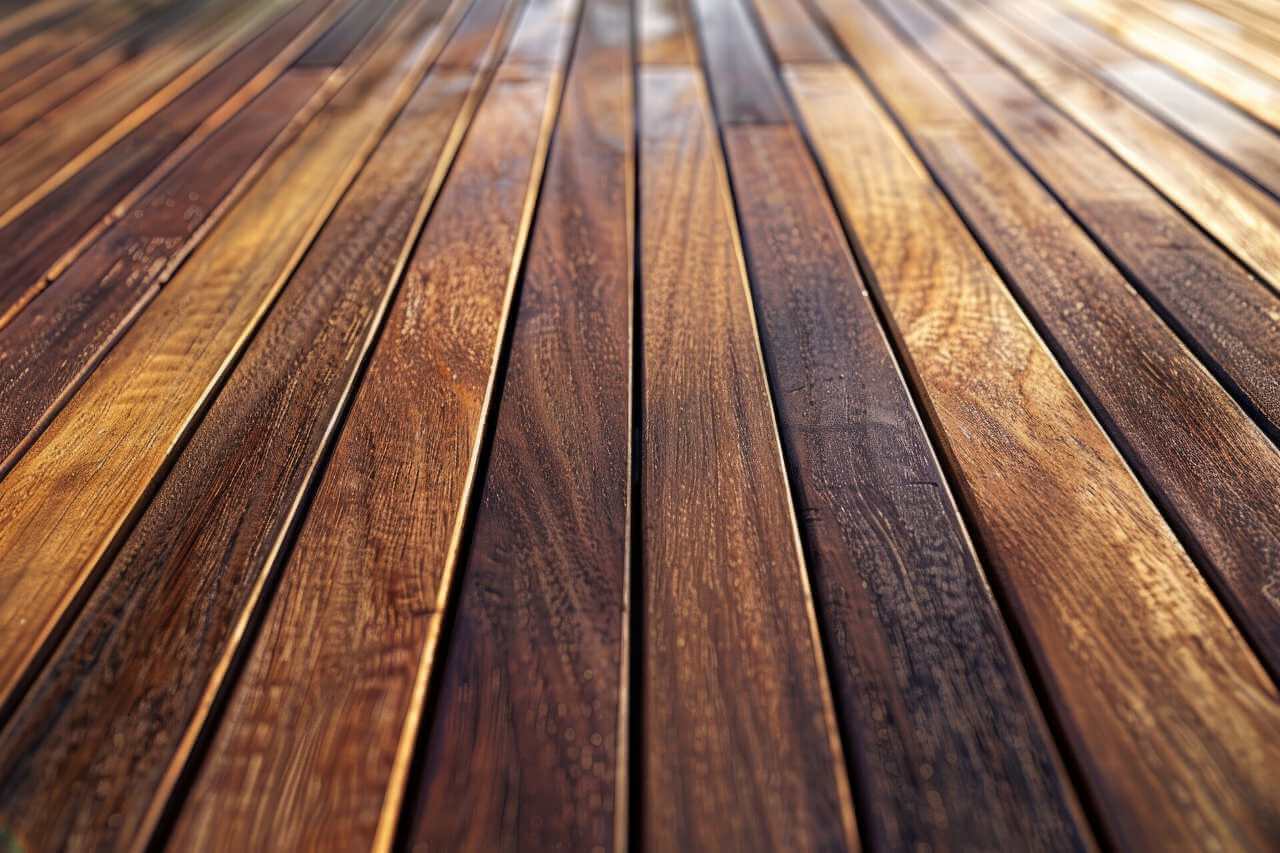
"Hardwood combines timeless beauty with technical performance that often requires no additional treatment in outdoor applications."
The Botanical Foundation: Why Broadleaf Woods Are So Durable
Slow-growing broadleaf trees form a compact, high-density cellular structure. This makes the wood less permeable to moisture, highly resistant to rot, and subject to minimal swelling and shrinkage. Tropical species gain extra protection from natural oils and extractives.
Key characteristics at a glance:
- High density and mechanical strength
- Excellent natural durability (often class 1–2)
- Lifespan of 15–50+ years outdoors untreated
- Resistance to fungi, insects, and moisture
- Warm, rich color and attractive grain
- Higher price, but exceptional longevity
The Spectrum of Hardwood: Popular Species and Their Characteristics

- Classic warm color with pronounced grain
- Very strong and wear-resistant
- Good stability after drying
- Durability class 2–3 (outdoors: 15–25 years)
Flooring
Furniture
Cladding
Windows & Doors
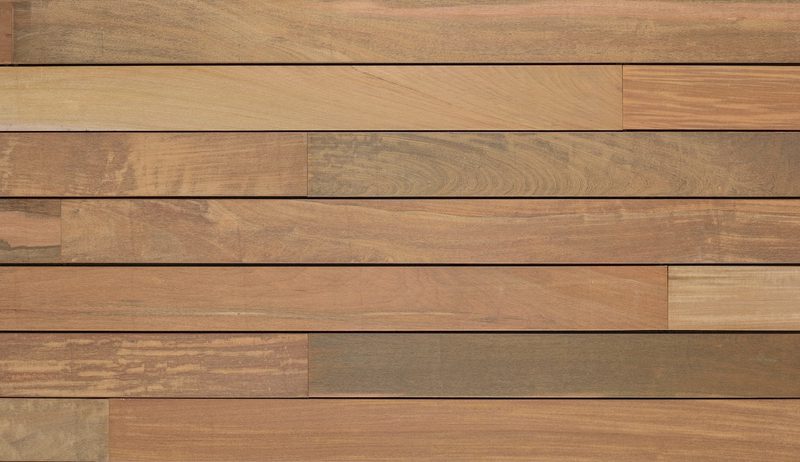
- Extremely hard and heavy
- Deep reddish-brown to olive tones
- Very high natural oil content
- Durability class 1 (25–50+ years)
Decking
Pool surrounds
Cladding

- Also known as Brazilian Teak
- Reddish-brown to chocolate hues
- Very high abrasion resistance
- Durability class 1 (up to 50 years)
Decking
Fencing
Cladding
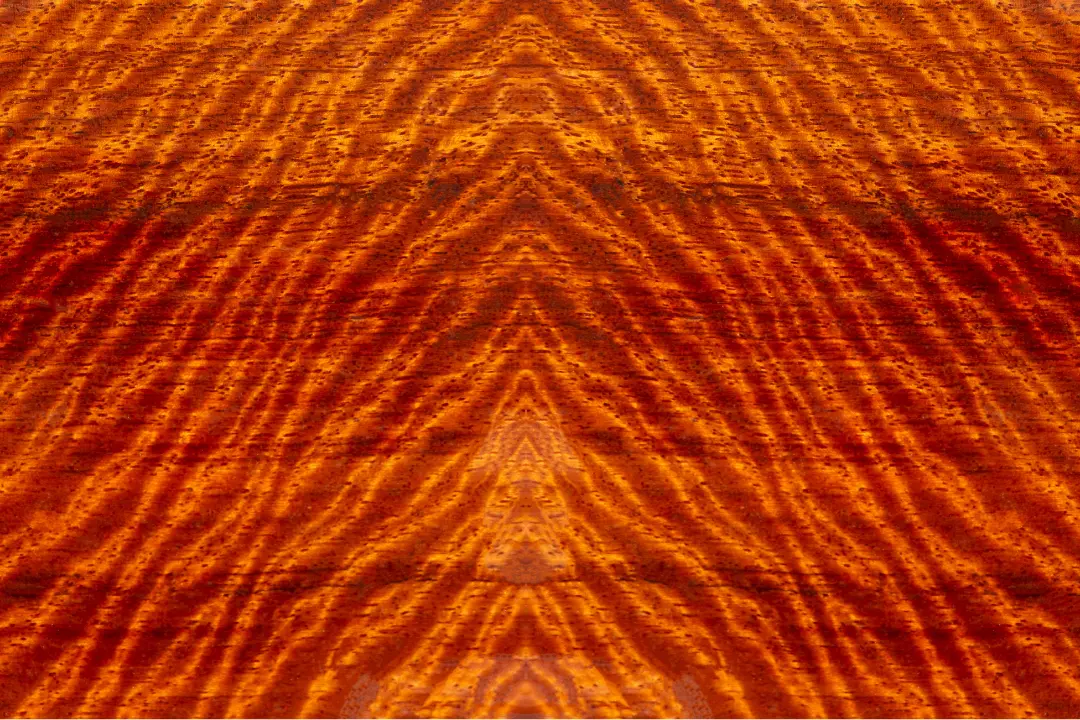
- Bright orange-red (ages to brown)
- Good bending strength
- Naturally insect-resistant
- Durability class 1–2
Furniture
Stairs
Cladding
Other popular species include Bangkirai, Meranti, Azobé, Garapa, and European Chestnut, depending on application and budget.
Applications and Durability: From Garden to Architecture
Hardwood excels in demanding environments. Thanks to its natural properties, it is often the first choice for:
- Decking and patios (Ipe, Cumaru, Garapa)
- Cladding and fencing
- Garden furniture and outdoor structures
- Flooring, stairs, and interior doors
- Bridges, piers, and civil engineering works (Azobé)
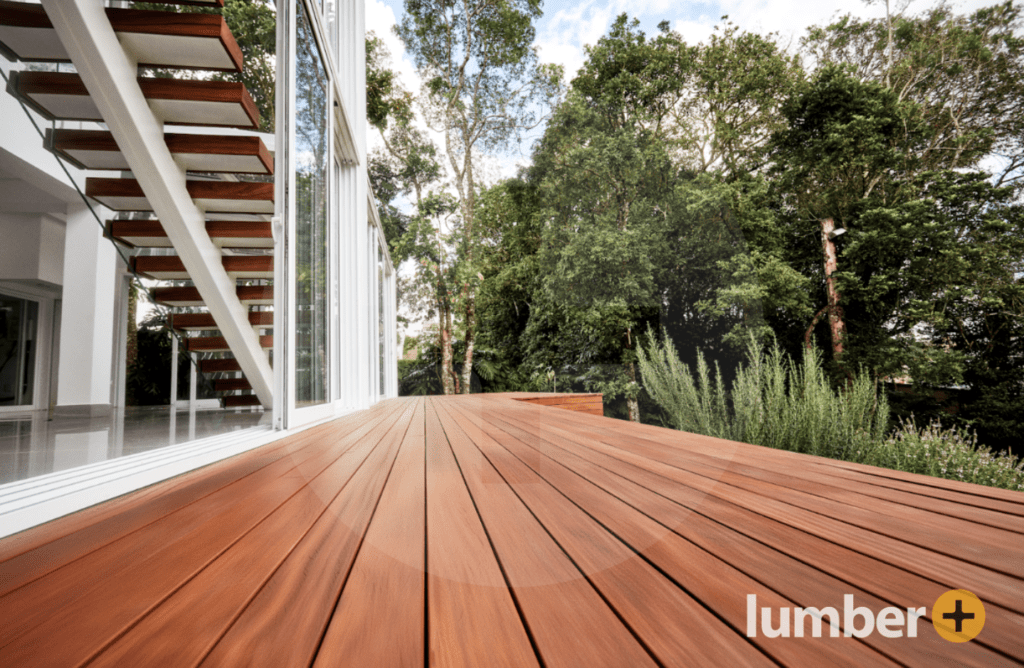
In terms of durability, untreated tropical hardwood often outperforms everything else: 25–50 years outdoors without extra protection. European hardwoods like oak or chestnut score slightly lower but are more eco-friendly due to shorter transport distances and better traceability. Always prefer FSC- or PEFC-certified wood to avoid illegal logging.
Conclusion: An Investment in Longevity and Beauty
Hardwood is far more than just a building material — it is a deliberate choice for quality, longevity, and aesthetics. While the initial cost is higher than softwood or composite panels, it pays off through minimal replacement, low maintenance, and a timeless appearance that continues to impress after decades.