What are some sustainable options for wooden landscape elements?

The trend towards sustainability has also reached garden architecture. Eco-friendly wooden landscape elements combine aesthetics with ecological responsibility. Discover how you can green your garden with sustainable choices.

1. Sustainable wood types

Choose wood types that are responsibly harvested and long-lasting:

Wood Type Durability Origin Applications
Robinia ★★★★★ Europe Posts, decking
Bamboo ★★★★ Asia Fences, pergolas
Thermowood ★★★★ Europe Cladding, garden furniture
Accoya ★★★★★ Worldwide All outdoor applications

Tip: Look for FSC or PEFC certification to ensure responsible forest management.

2. Recycled and reused materials

Give old wood a second life:

  1. Used railway sleepers for raised borders
  2. Salvaged wood for rustic fences
  3. Pallets for vertical gardens
  4. Driftwood for decorative elements

💡 Note: Always check recycled wood for harmful treatments before using it in your garden.

3. Natural treatment methods

Protect your wood without harming the environment:

  • Natural oils (linseed, tung)
  • Beeswax for water repellency
  • Vinegar as a natural fungicide
  • Thermal modification for improved durability

4. Innovative composite materials

Modern alternatives combine durability with low maintenance requirements:

  • Wood-plastic composite (WPC)
  • Bamboo-plastic composite
  • Recycled plastic boards

Comparison of traditional wood vs. composite:

Aspect Traditional Wood Composite
Lifespan 15-20 years 25-30 years
Maintenance Regular Minimal
Environmental Impact Varies Low (when using recycled material)
Appearance Natural Consistent

5. Integration of living elements

Combine wood with living structures for maximum sustainability:

  1. Willow weaving for natural partitions
  2. Living willow fences
  3. Green walls with climbing plants on wooden frames
  4. Tree trunks as natural seating elements

6. Energy-efficient lighting

Illuminate your wooden elements sustainably:

  • Solar-powered LED lighting
  • Motion sensors for efficient energy use
  • Low-voltage lighting
  • Light-sensitive switches

7. Water management

Integrate sustainable water management into your wooden structures:

  • Rain barrels integrated into fences
  • Raised planters with built-in irrigation
  • Permeable wooden decking for better drainage
  • Green roofs on wooden garden sheds

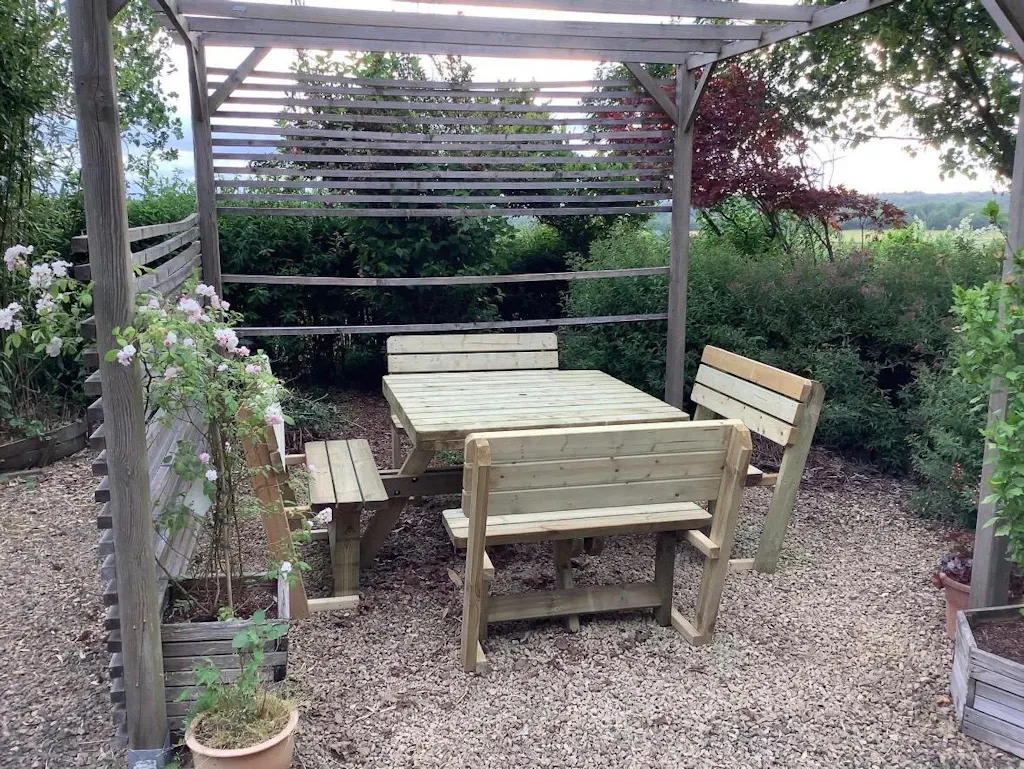
Example: A wooden pergola with a built-in gutter system can capture rainwater and direct it to an underground storage tank for reuse.

8. Local and seasonal materials

Reduce your ecological footprint:

  • Choose locally produced wood
  • Plan projects in the off-season for better availability
  • Consider fast-growing wood types for future projects

Conclusion

Sustainable wooden landscape elements offer endless possibilities to green your garden without compromising on style or functionality. By making conscious choices in materials, treatments, and design, you create an outdoor space that is not only beautiful but also contributes to a healthier planet.