Afrikulu is the commercial name for the wood of the botanical species Terminalia ivorensis, which belongs to the Combretaceae family. This type of wood is also known by the names Framire, Idigbo, and Emire. Afrikulu is a tropical hardwood that primarily occurs in West Africa, particularly in countries such as Ghana, Ivory Coast, and Nigeria. The wood is popular for its versatility, durability, and attractive appearance.
Characteristics of Afrikulu
Origin
-
Geographical Area: Afrikulu grows in the tropical rainforests of West Africa, with a significant presence in Ghana, Ivory Coast, and Nigeria.
-
Tree Height: The Afrikulu tree can reach a height of 30 to 40 meters, with a straight, branch-free trunk of about 15 to 20 meters.
Appearance and Structure
-
Color: The heartwood ranges from light yellow to yellow-brown, while the sapwood is often lighter in color, almost white.
-
Texture and Grain: The wood has a medium to coarse texture and a straight grain, although interlocked grain can sometimes occur.
-
Shine: Afrikulu has a natural luster that enhances its attractive appearance.
Mechanical Properties
| Property |
Value |
| Density |
560-720 kg/m³ at 12% moisture content |
| Bending Strength (MOR) |
75-90 N/mm² |
| Modulus of Elasticity (MOE) |
10,000-12,000 N/mm² |
| Compressive Strength (parallel to the grain) |
40-50 N/mm² |
| Hardness (Janka) |
4,500-5,500 N |
Durability and Resistance
-
Durability Class: Afrikulu falls into durability class 2-3, meaning it is moderately to well resistant to fungi and insects.
-
Weather Resistance: Afrikulu is reasonably resistant to weather conditions, but treatment with protective agents can extend its lifespan for outdoor use.
-
Insect Resistance: The wood is moderately resistant to termites and other insect pests, so preventive treatments may be beneficial.
Applications of Afrikulu
Afrikulu is versatile and can be used for various applications, both indoors and outdoors:
-
Construction and Building
-
Structural Wood: Afrikulu is used for heavy constructions such as beams, columns, and other load-bearing elements.
-
Cladding: The wood is suitable for cladding due to its durability and aesthetic appeal.
-
Interior and Furniture
-
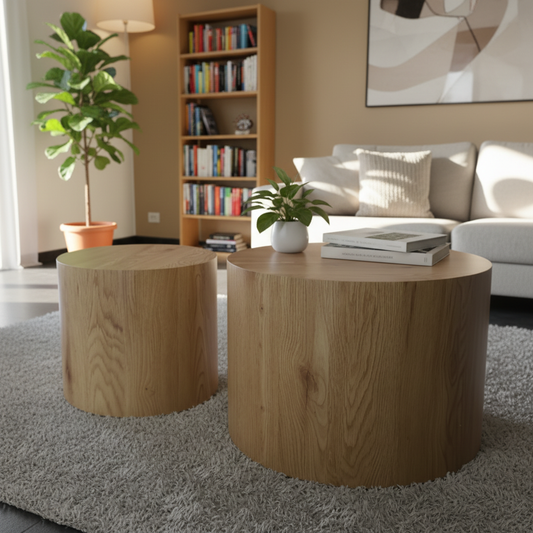
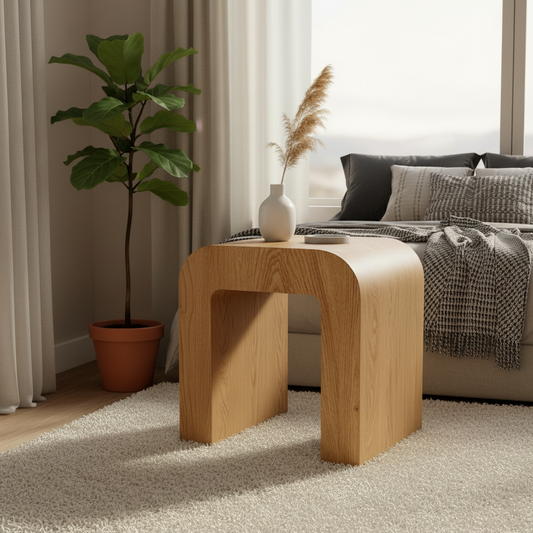
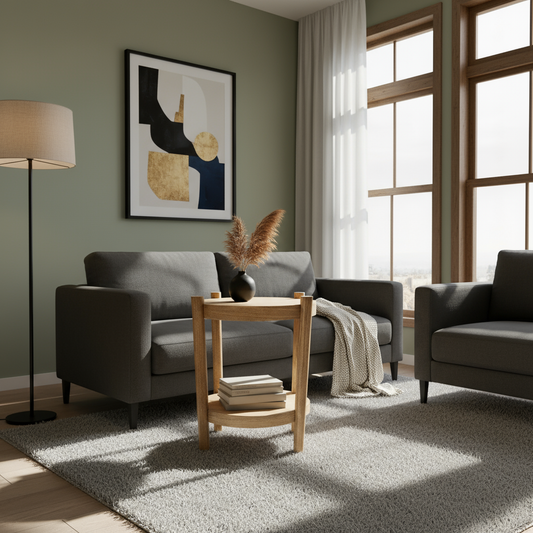
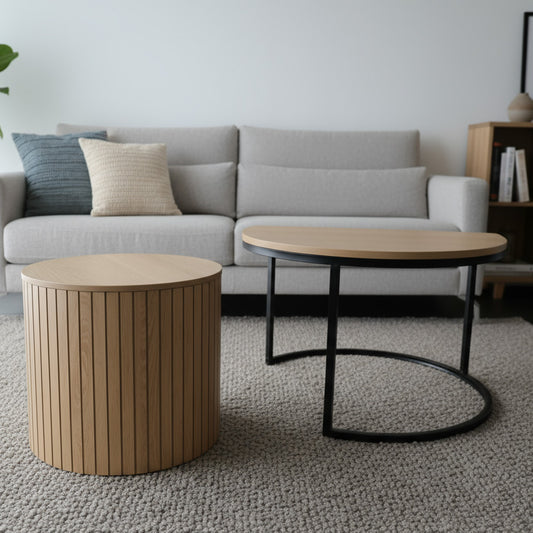
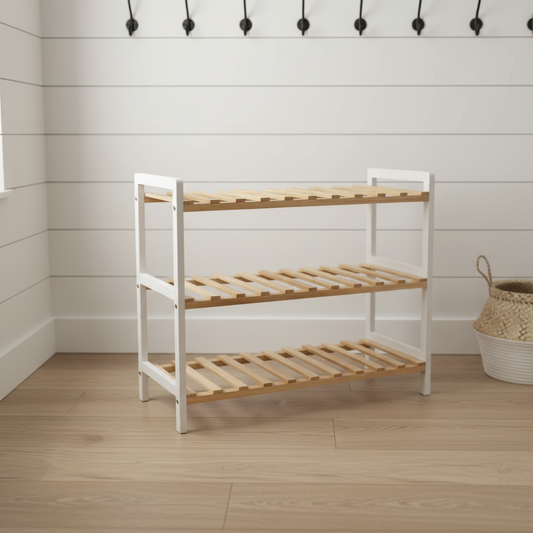
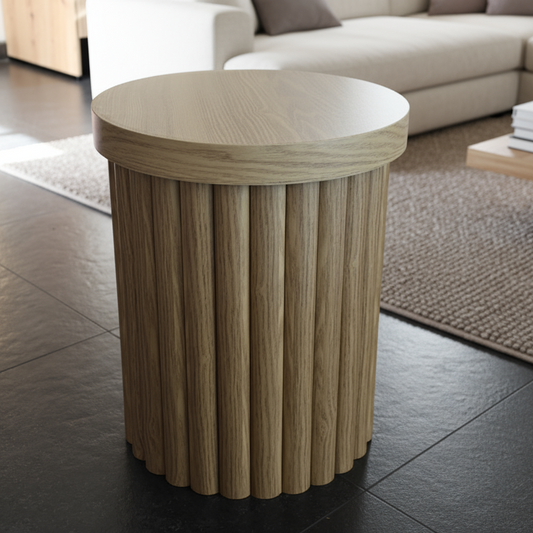
Furniture: Afrikulu is used for making furniture, including cabinets, tables, and chairs, due to its beautiful color and texture.
-
Flooring: The wood is suitable for flooring, with its natural luster and color contributing to a warm appearance.
-
Doors and Frames: Afrikulu is a popular choice for doors and frames due to its strength and stability.
-
Garden and Landscape Architecture
-
Garden Furniture: Afrikulu is used for garden furniture due to its reasonable weather resistance.
-
Pergolas and Fences: The wood is suitable for building pergolas, fences, and other garden elements.
Advantages of Afrikulu
-
Aesthetic Value: Afrikulu has an attractive color and natural luster, making it visually appealing for various applications.
-
Durability: The wood has reasonable durability and is resistant to fungi and insects.
-
Versatility: Afrikulu is suitable for both structural and decorative applications, both indoors and outdoors.
Disadvantages of Afrikulu
-
Maintenance: Although it is reasonably durable, Afrikulu may require additional treatments for outdoor use to extend its lifespan.
-
Availability: Availability may vary depending on the region and demand, which can affect costs.
-
Interlocked Grain: The occurrence of interlocked grain can sometimes complicate the processing of the wood.
Conclusion
Afrikulu, also known as Terminalia ivorensis, is a versatile and attractive type of wood from West Africa. With its natural luster, durability, and aesthetic value, it is suitable for a wide range of applications, from heavy constructions to fine furniture pieces. Although it may require some maintenance, especially for outdoor use, the benefits of Afrikulu make it a valuable choice for many projects.