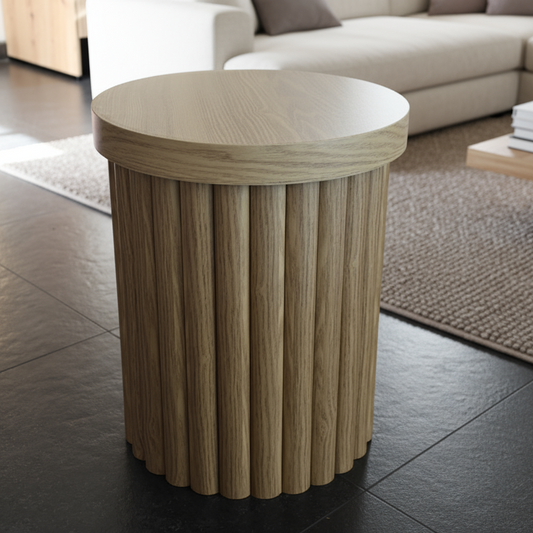
What are the characteristics of wood?
The Fascinating Features of Wood: Natural Beauty in All Its Forms
Wood is one of the oldest and most valuable materials that nature offers us. For thousands of years, people have used wood for countless applications - from ornate rose arches to sturdy garden cabinets, elegant picnic tables, and durable fences. But what makes wood so special and beloved?
In this article, we will discover the unique properties that make wood a living work of art, even long after it has been harvested from the forest. We will explore how the "imperfections" in wood actually contribute to its character and beauty.
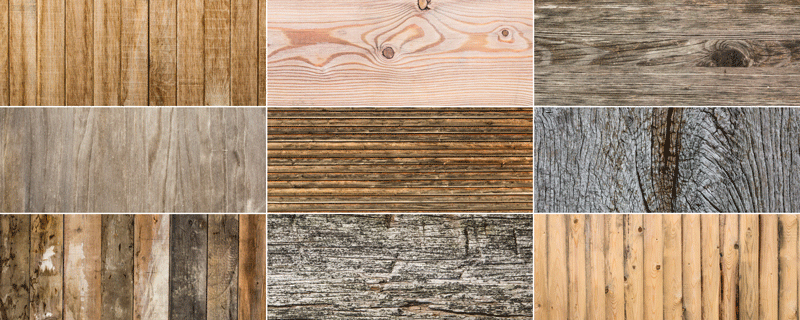
"Wood tells a story that is thousands of years old. Every knot, every grain, and every discoloration is a chapter in that story." - Wood Expert Thomas Vanderhout
The Natural Fingerprint: Knots and Grains
What makes a piece of wood truly unique is its natural pattern of knots and grains - the unmistakable signature of nature.
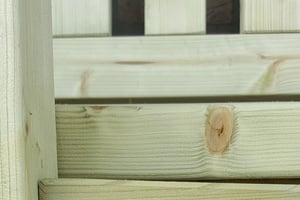
- Formed where branches grew from the trunk
- Give wood its characteristic appearance
- Vary in size and shape by wood type
- Often darker in color than the surrounding wood
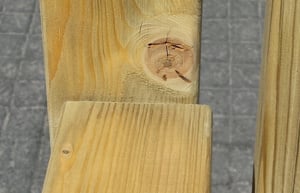
- Show the growth rings and patterns of the tree
- Provide insight into age and growth conditions
- Create the unique "flames" in the wood
- Also determine strength and character
Knowledge of Nature
- Pine and fir often have more visible knots than, for example, beech or maple
- The dense, concentrated knots in Northern European softwood are a result of slow growth in cold climates
- What is often seen as "imperfection" is viewed by wood lovers as a sign of authenticity and character
The Living Material: How Wood Responds to Its Environment
Even after harvesting, wood continues to react to its environment. This makes each piece unique and showcases the vibrant character of this natural material.
Green Spots
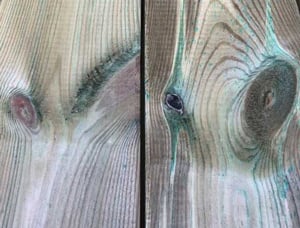
Formed when the preservative reacts with the natural resin. Gradually disappear with exposure to sunlight.
Discoloration

The natural graying that occurs with exposure to UV light and weather. A beautiful process that gives wood a timeless appearance.
Surface Mold
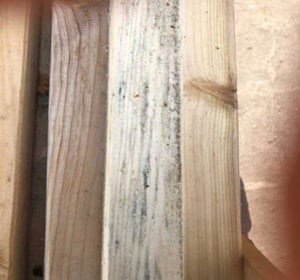
Can occur during storage in humid conditions. Usually superficial and easy to remove.
These reactions demonstrate the organic nature of wood. Unlike synthetic materials that remain static, wood has a dynamic character that contributes to its lasting appeal.
The Natural Movement: Why Wood Warps and Distorts
Warping
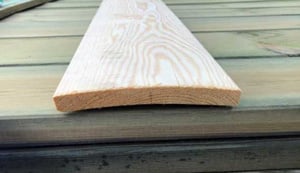
Occurs when different parts of the wood absorb or release moisture at different rates. More common in longer pieces of wood.
Cracking and Splitting
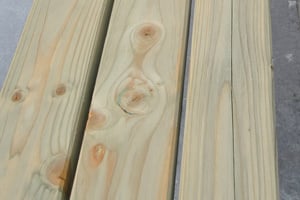
The result of natural expansion and contraction due to seasonal changes in temperature and humidity.
Why does wood warp?
Wood warps because it is hygroscopic - it absorbs moisture from the air and releases it again, depending on environmental conditions. During this moisture exchange, the dimensions of the wood cells change, leading to expansion or contraction.
Important to know:
- Wood swells more in width than in length
- Different wood species have different degrees of stability
- Wood that grows slowly in cold climates is usually more stable
How to deal with warping?
Tips to minimize warping:
- Always allow new wood to acclimatize before use
- Store wood horizontally with support at regular intervals
- Avoid storage in direct sunlight or very warm areas
- Consider smaller dimensions for longer pieces of wood
Remember that a certain degree of movement will always be part of the character of real wood. It is what sets wood apart from synthetic imitations.
The Poetry of Aging: How Wood Ages with Dignity
Like a fine wine, wood often becomes more beautiful with age. The natural aging process, known as graying, gives wood an elegant, timeless appearance that is hard to match with artificial finishes.
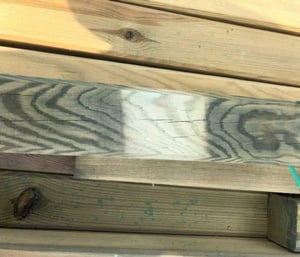
New Wood
Fresh, vibrant colors
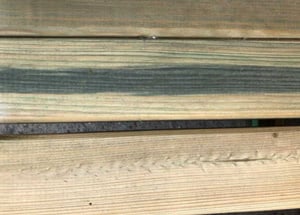
Transition Period
Subtle color transformation
Gray Wood
Elegant, silver-gray patina
This natural aging process is a response to UV radiation and weather influences. It begins at the outer layers of the wood and gradually spreads. What was once considered a disadvantage is now often actively sought after in modern designs for its authentic, rustic appearance.
Did You Know?
Graying is merely a cosmetic change that does not affect the structural integrity of the wood. Some designers and architects even specify pre-gray wood today to create an instantly lived-in, timeless look.
Embracing Natural Variation: Why "Imperfections" Are Perfect
In a world of mass production and synthetic uniformity, wood offers a refreshing counterbalance. What are often seen as "imperfections" are actually the features that give wood its unique character and authenticity.
| Feature | Traditional View | Modern Appreciation |
|---|---|---|
| Knots | Weakness in the wood | Visually interesting focal point and sign of authenticity |
| Color Variations | Inconsistency | Natural warmth and depth that synthetic materials lack |
| Cracks and Splits | Structural problem | Sign of natural movement and "living" character |
| Graying | Aging and decay | Timeless patina that adds elegance and history |
The Japanese philosophy of "Wabi-sabi" - finding beauty in imperfection - is particularly relevant to wood. By embracing the natural variation in wood, we connect with a timeless tradition that celebrates perfect imperfection and authentic beauty.
Conclusion: Wood - A Living Heritage in Your Garden
The features we have explored - from the characteristic knots and grains to the subtle discolorations and movements - make wood what it is: a living, breathing material with a story. These properties are not shortcomings but rather the signature of authenticity.
Whether you choose elegant garden furniture, a sturdy wooden terrace, or a rustic garden house, understanding and appreciating these natural features deepens your connection with this timeless material.
Remember that each piece of wood tells its own unique story through patterns that took thousands of years to create. By embracing these natural properties, you invite not only a piece of nature into your living space but also a piece of living history.
"In an increasingly digital and artificial world, wood offers a rare and valuable connection to nature - a tangible reminder of the living origins of the materials that surround us." - Wood Expert Maria Timmer
Super Sales
-
Liora Flow Coffee Table – Cream Organic Masterpiece
Regular price €129,95 EURRegular price€179,95 EURSale price €129,95 EURSale -
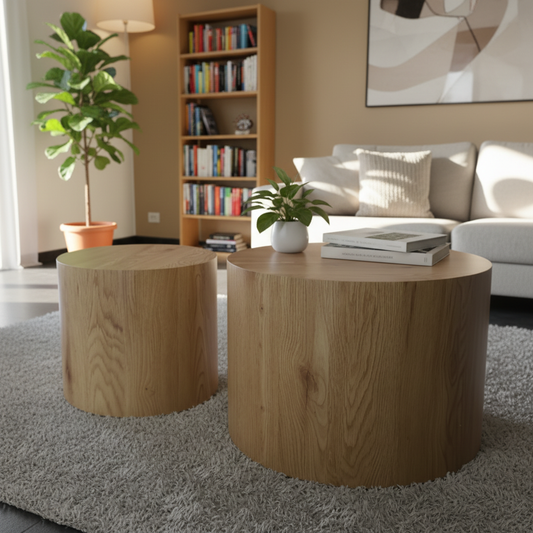
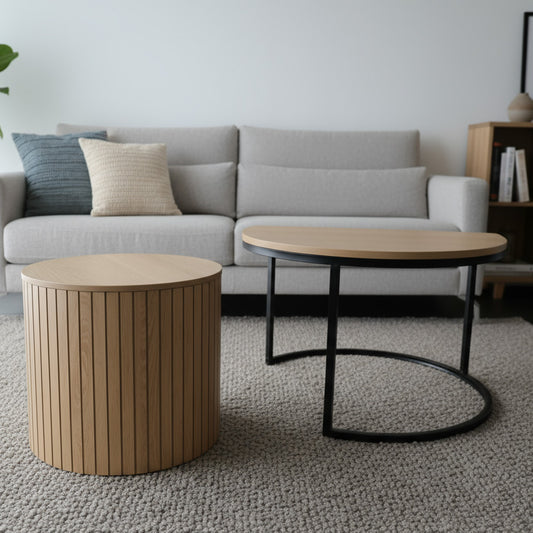
Round Wooden Coffee Table Set of 2
Regular price €54,95 EURRegular price€99,95 EURSale price €54,95 EURSale -
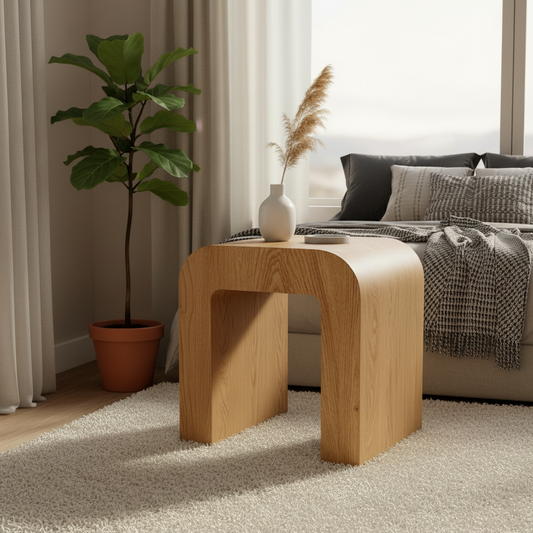
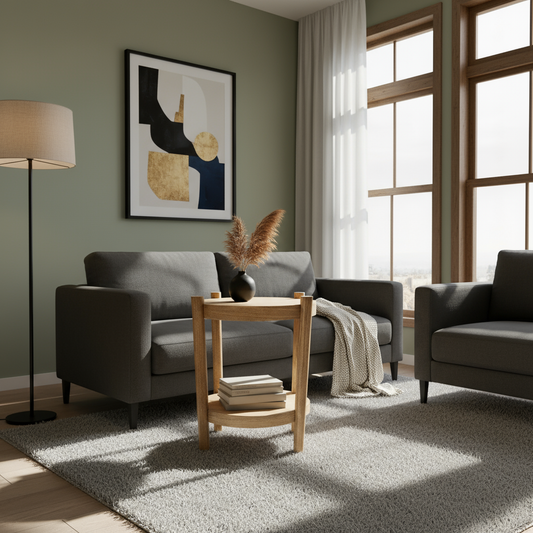
Modern Curved Side Table in Wood-Look Finish – 40 × 30 × 45 cm
Regular price €39,95 EURRegular price€69,95 EURSale price €39,95 EURSale -
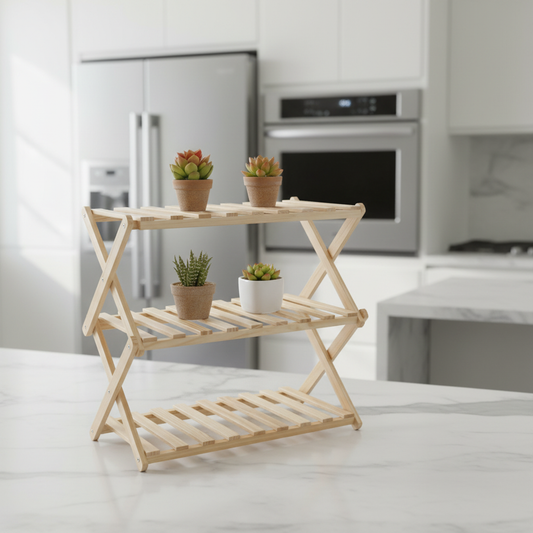
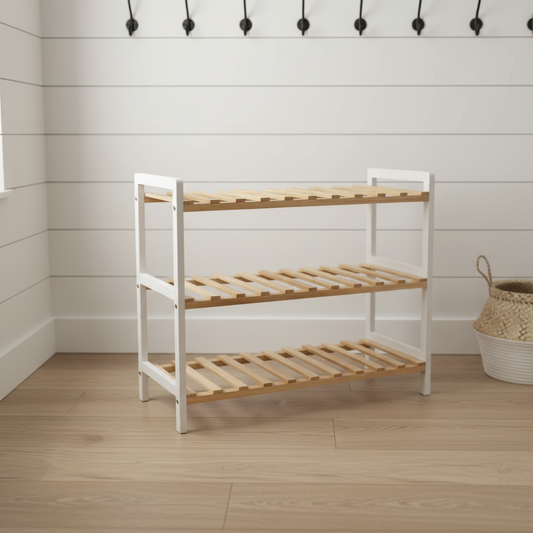
Foldable Wooden Rack – 3 Tiers (31 × 21 × 47.2 cm)
★★★★★(1)Regular price €22,95 EURRegular price€49,95 EURSale price €22,95 EURSale -
Beech Wood Coat Rack – Minimalist Tripod Design
★★★★★(1)Regular price €39,95 EURRegular price€79,95 EURSale price €39,95 EURSale -
Vintage Wooden Jewelry Box with Floral Motif and Handle – 26 × 18 × 17 cm
★★★★★(1)Regular price €18,95 EURRegular price€39,95 EURSale price €18,95 EURSale -
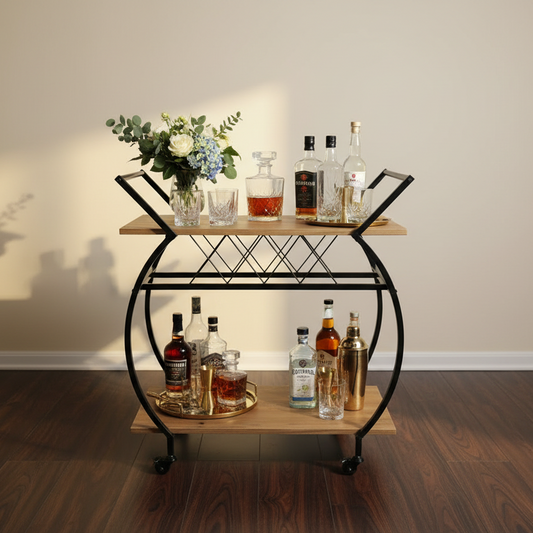
Bar cart with wine rack – 2 tiers, wood & metal, on wheels – rustic oak look – KING®
★★★★★(2)Regular price €79,95 EURRegular price€149,95 EURSale price €79,95 EURSale -
Listerby Side Table – 50 cm
★★★★★(5)Regular price €59,95 EURRegular price€139,95 EURSale price €59,95 EURSale -
Round nesting coffee table set – 2-piece with metal frame (Ø60 x 39 cm) - Second choice
★★★★★(1)Regular price €59,95 EURRegular price€99,95 EURSale price €59,95 EURSale -
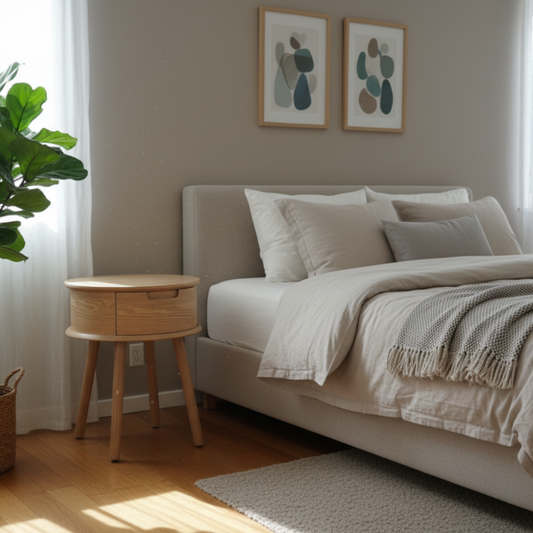
Round Bedside Table with 1 Drawer – Curved Design (Ø45 × 50 cm)
Regular price €29,95 EURRegular price€59,95 EURSale price €29,95 EURSale -
Modern Wooden Shoe Rack – 3 or 4 Tiers
★★★★★(1)Regular price From €29,95 EURRegular price€49,95 EURSale price From €29,95 EURSale -
Round Side Table Ø40 × 48 cm – Oak-Look Finish
Regular price €39,95 EURRegular price€79,95 EURSale price €39,95 EURSale