What are some strategies for minimizing chemicals and paints in woodworking processes?

In modern woodworking, minimizing chemicals and paints is a crucial aspect of sustainable production. Not only does this contribute to a healthier environment, but it also improves working conditions and the quality of the final product. Let’s explore some effective strategies to reduce the use of chemicals and paints in woodworking processes.
Natural Finishing Methods
One of the most direct ways to minimize chemicals is to switch to natural finishing methods. These techniques highlight the natural beauty of the wood and are often more environmentally friendly.
| Method | Description | Effectiveness |
|---|---|---|
| Oils | Natural oils such as linseed oil or tung oil |
Very Effective
|
| Waxes | Beeswax or carnauba wax for a soft sheen |
Effective
|
| Hardwax Oil | Combination of oils and waxes for durable protection |
Very Effective
|
Selection of Wood Types
Choosing the right type of wood can significantly reduce the need for chemical treatments. Some wood species have natural properties that make them resistant to weathering, insects, and fungi.
Mechanical Protection Techniques
Instead of chemical treatments, mechanical techniques can be applied to protect wood from the elements and wear.
| Technique | Application | Durability |
|---|---|---|
| Wood Carbonization (Shou Sugi Ban) | Surface burning of wood for weather resistance |
Very Durable
|
| Thermal Modification | Heating wood to improve properties |
Very Durable
|
| Compression Techniques | Compressing wood for increased hardness |
Durable
|
Innovative Treatment Methods
2000-2010
Development of water-based finishes as an alternative to solvent-based products.
2010-2015
Introduction of UV-curing coatings for fast, low-chemical finishing.
2015-2020
Rise of bio-based finishes made from renewable resources.
2020-Present
Research into nanotechnology for improved wood properties without heavy chemicals.
Preventive Measures
Prevention is better than cure. By taking the right preventive measures, the need for chemical treatments can be reduced.
- Good ventilation in wood structures to prevent moisture buildup
- Use of design principles that direct water away from wooden surfaces
- Regular maintenance and inspection to detect problems early
- Application of physical barriers against insects and moisture
Conclusion
Minimizing chemicals and paints in woodworking processes is an important step towards more sustainable and healthier practices in the woodworking industry. By combining natural methods, smart material choices, and innovative techniques, we can preserve the beauty and durability of processed wood without excessive use of harmful substances.
"The future of woodworking lies in embracing the natural properties of wood, rather than overshadowing them with chemicals. This not only creates more beautiful products but also contributes to a healthier planet."
Super Sales
-
Liora Flow Coffee Table – Cream Organic Masterpiece
Regular price €129,95 EURRegular price€179,95 EURSale price €129,95 EURSale -
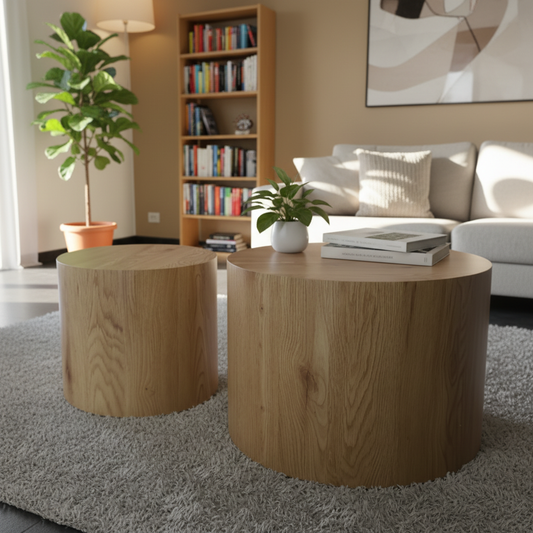
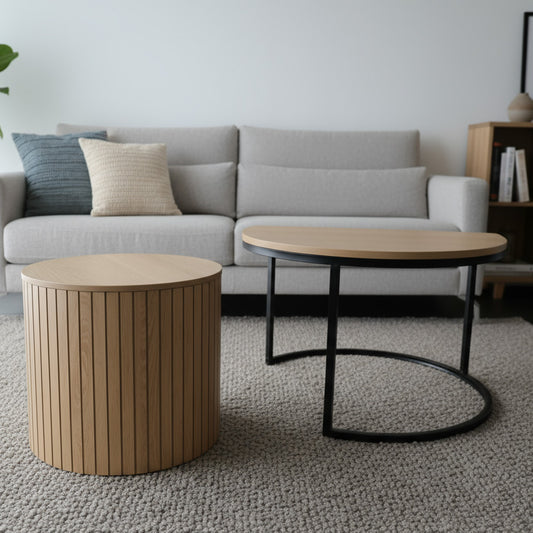
Round Wooden Coffee Table Set of 2
Regular price €54,95 EURRegular price€99,95 EURSale price €54,95 EURSale -
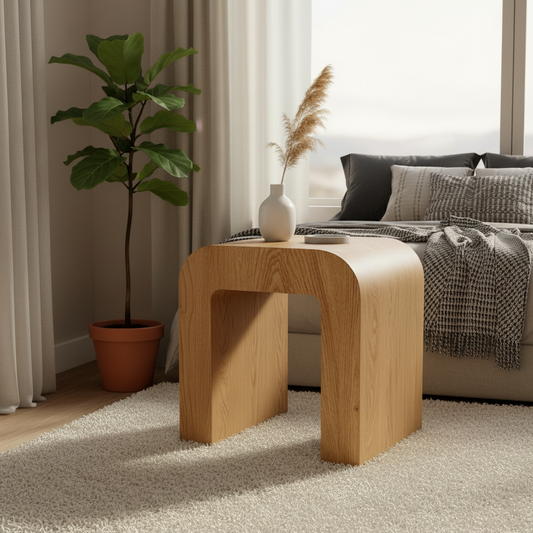
Modern Curved Side Table in Wood-Look Finish – 40 × 30 × 45 cm
Regular price €39,95 EURRegular price€69,95 EURSale price €39,95 EURSale -
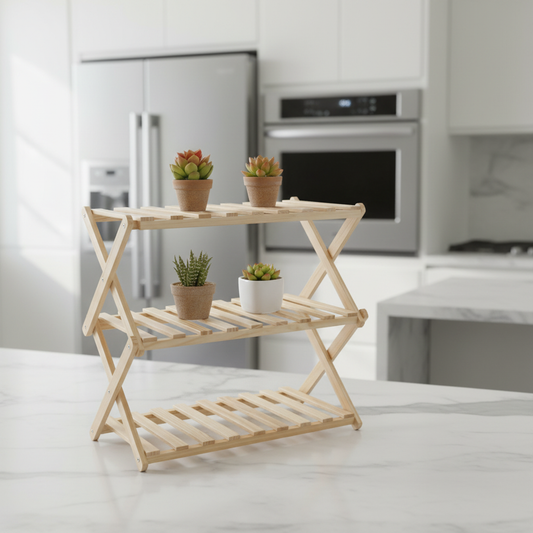
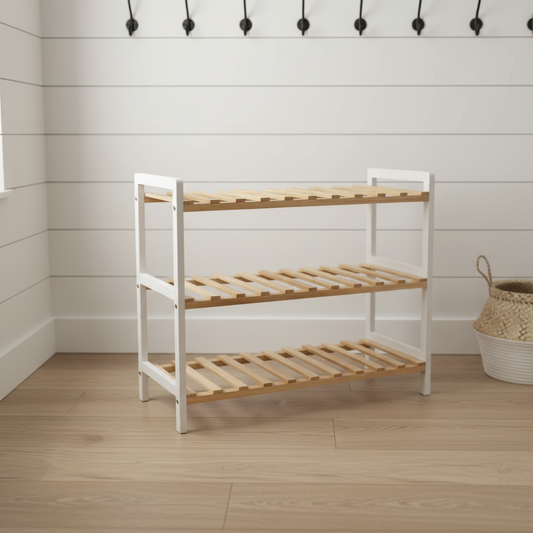
Foldable Wooden Rack – 3 Tiers (31 × 21 × 47.2 cm)
★★★★★(1)Regular price €22,95 EURRegular price€49,95 EURSale price €22,95 EURSale -
Beech Wood Coat Rack – Minimalist Tripod Design
★★★★★(1)Regular price €39,95 EURRegular price€79,95 EURSale price €39,95 EURSale -
Vintage Wooden Jewelry Box with Floral Motif and Handle – 26 × 18 × 17 cm
★★★★★(1)Regular price €18,95 EURRegular price€39,95 EURSale price €18,95 EURSale -
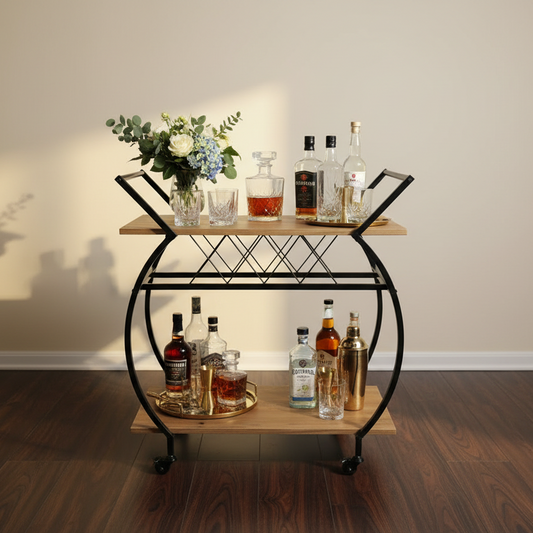
Bar cart with wine rack – 2 tiers, wood & metal, on wheels – rustic oak look – KING®
★★★★★(2)Regular price €79,95 EURRegular price€149,95 EURSale price €79,95 EURSale -
Listerby Side Table – 50 cm
★★★★★(5)Regular price €59,95 EURRegular price€139,95 EURSale price €59,95 EURSale -
Round nesting coffee table set – 2-piece with metal frame (Ø60 x 39 cm) - Second choice
★★★★★(1)Regular price €59,95 EURRegular price€99,95 EURSale price €59,95 EURSale -
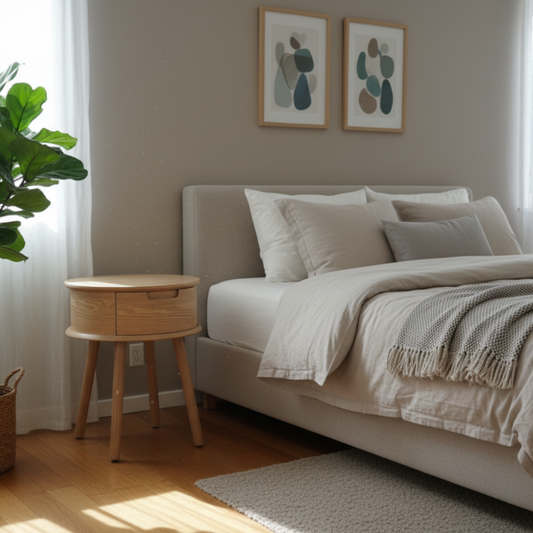
Round Bedside Table with 1 Drawer – Curved Design (Ø45 × 50 cm)
Regular price €29,95 EURRegular price€59,95 EURSale price €29,95 EURSale -
Modern Wooden Shoe Rack – 3 or 4 Tiers
★★★★★(1)Regular price From €29,95 EURRegular price€49,95 EURSale price From €29,95 EURSale -
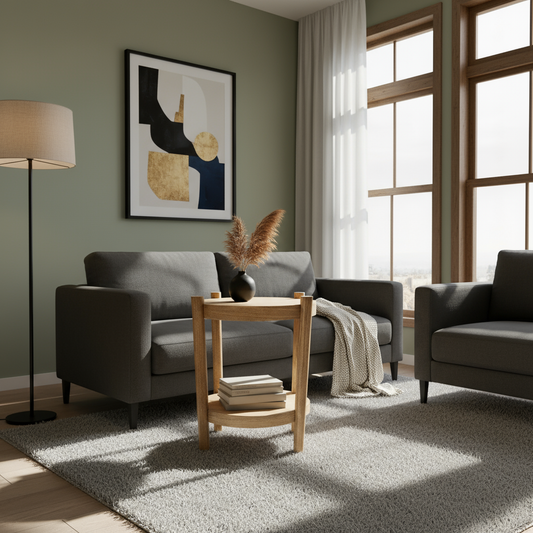
Round Side Table Ø40 × 48 cm – Oak-Look Finish
Regular price €39,95 EURRegular price€79,95 EURSale price €39,95 EURSale