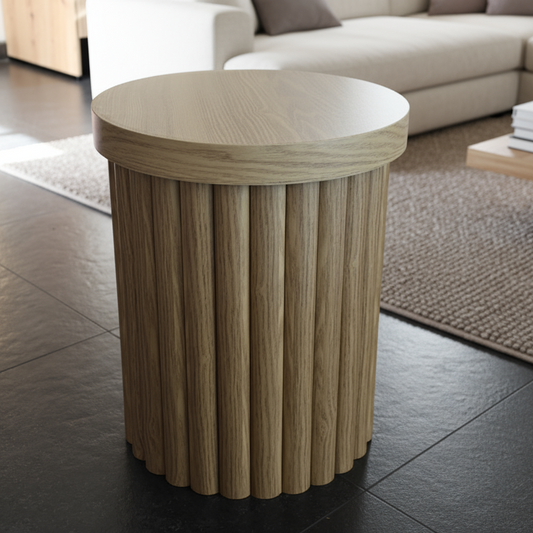
How do you maintain wooden furniture in the house?

Wooden furniture is a beautiful addition to any interior. It brings warmth, character, and a natural beauty into your home that is hard to match with other materials. Whether it's a sturdy oak dining table, an elegant mahogany bookshelf, or a rustic pine coffee table, wooden furniture has the power to transform a space and create a sense of timelessness.
But with this beauty comes responsibility. Wood is a natural material that requires care and attention to maintain its luster and integrity. In this comprehensive article, we will delve into the techniques and tips to keep your wooden furniture in top condition, so they can be cherished and admired for generations.
The Basics: Regular Maintenance
Wood is a living material that reacts to its environment. It absorbs and releases moisture, responds to temperature changes, and can even change color due to exposure to light. Therefore, regular maintenance is not only crucial for keeping your furniture beautiful but also for preserving its structural integrity.
- Dust weekly: Use a soft, dry cloth to remove dust and dirt. This prevents dust particles from scratching the wood surface. For hard-to-reach places, you can use a soft brush or a low setting on your vacuum cleaner. Avoid hard brushes or high suction power, as these can damage the wood.
- Avoid moisture: Moisture is wood's greatest enemy. It can cause the wood to swell, warp, and even lead to mold. Always use coasters under glasses and vases, and wipe up spilled liquids immediately. In humid areas like the bathroom or kitchen, it is advisable to use a moisture-repellent product on wooden surfaces.
- Choose the right cleaning products: Harsh cleaning agents can damage the protective layer of your furniture and the wood itself. A damp cloth with a mild cleaning solution is often sufficient for daily maintenance. For deeper cleaning, you can use specialized wood cleaners that are tailored to the type of finish on your furniture.
By incorporating these basic maintenance principles into your routine, you lay a solid foundation for the long-term health and beauty of your wooden furniture. Regular maintenance not only prevents damage but also helps identify small issues early before they grow into large, costly repairs.
Deep Cleaning and Protection
In addition to daily and weekly maintenance, wooden furniture periodically requires a thorough cleaning and protective treatment. This not only helps to remove deeply embedded dirt but also nourishes the wood and protects it from future damage. Here is a step-by-step approach for effective deep cleaning and protection:
| Step | Action | Frequency | Details |
|---|---|---|---|
| 1 | Clean the surface with a mixture of mild soap and water. Use a soft cloth. | Monthly | Start by removing all loose items from the furniture. Mix a small amount of mild soap (like baby shampoo) with warm water. Dip a soft cloth into the solution, wring it out well so the cloth is damp but not soaked, and wipe the entire surface clean. Be careful not to use too much water, as this can seep into the wood. |
| 2 | Dry the wood thoroughly with a clean, dry cloth to prevent moisture buildup. | After each cleaning | Immediately after cleaning, it is crucial to thoroughly dry the surface. Use a clean, lint-free cloth and make sure to reach all joints and corners where moisture can accumulate. This prevents water spots and potential damage to the wood. |
| 3 | Apply oil or wax to nourish and protect the wood. Choose a product suitable for the type of wood. | Every 3-6 months | After cleaning and drying, it's time to nourish and protect the wood. For most finished wooden furniture, a good quality furniture wax works excellently. Apply a thin layer with a soft cloth, rub in circular motions, and let it sit for a few minutes before buffing it to a shiny finish. For untreated or oil-finished wood, such as teak or oak, a specially formulated wood oil is a better choice. |
This deep cleaning and protective treatment not only helps your furniture look its best but also significantly extends its lifespan. It nourishes the wood, prevents drying and cracking, and provides an extra layer of protection against stains and wear.
Common Problems and Solutions
Even with the best maintenance, wooden furniture can develop problems over time. Fortunately, there are simple solutions for many common issues that you can apply yourself. Here are some of the most common problems and how to address them:
Scratches and Dents
Small scratches and dents are inevitable with daily use of furniture, but they don't have to be permanent.
- Solution: Use a walnut or almond by rubbing it over the scratch. The natural oils in the nut help fill and camouflage the scratch. For deeper scratches, you can use a color pencil that matches the color of the wood, followed by a layer of beeswax to seal it.
Water Rings
Water rings occur when moisture seeps through the protective layer of the furniture, causing the wood to swell.
- Solution: Mix equal parts white vinegar and olive oil. Rub this mixture with a soft cloth onto the ring in the direction of the wood grain. The vinegar helps to draw out the moisture while the oil nourishes the wood. Wipe off any excess mixture and polish the surface. For stubborn rings, you can gently use fine steel wool, followed by a new layer of protective wax or oil.
Discoloration from Sunlight
Prolonged exposure to direct sunlight can cause wooden furniture to discolor, often resulting in a faded or uneven appearance.
- Solution: Prevention is the best approach here. Periodically move furniture to ensure even exposure to sunlight. Use curtains or blinds to reduce direct sunlight exposure, especially during the afternoon when the sunlight is strongest. For furniture that has already discolored, a light sanding followed by a new finish can help restore the original color, although this is best left to a professional for valuable pieces.
It is important to remember that these solutions work best for light to moderate damage. For severe problems or highly valuable furniture, it is always advisable to consult a professional furniture restorer. They have the expertise and specialized tools to tackle even the most challenging issues without risking further damage.
Maintenance by Wood Type
Different wood types have unique properties that require specific maintenance methods. Understanding the specific needs of your furniture based on the wood type can make a significant difference in their lifespan and appearance. Here are some guidelines for popular wood types:
| Wood Type | Maintenance Tip | Additional Information |
|---|---|---|
| Oak | Use an oil specifically for oak to deeply nourish and maintain its natural color. | Oak is known for its durability and beautiful grain pattern. It tends to darken over time, especially with exposure to light. Regular treatment with a specially formulated oak oil not only helps protect the wood but also highlights the natural beauty of the grain. |
| Teak | Treat with teak oil to prevent drying and replenish natural oils. | Teak is known for its high natural oil content, making it particularly durable. However, over time it can lose these oils, especially in outdoor furniture. Regular treatment with teak oil helps maintain its natural golden color and prevents the wood from turning gray or cracking. |
| Mahogany | Regularly dust and treat with a soft furniture wax for a lasting shine. | Mahogany is loved for its deep, rich color and smooth finish. Regular maintenance helps preserve its shine and color. |
Super Sales
-
Liora Flow Coffee Table – Cream Organic Masterpiece
Regular price €129,95 EURRegular price€179,95 EURSale price €129,95 EURSale -
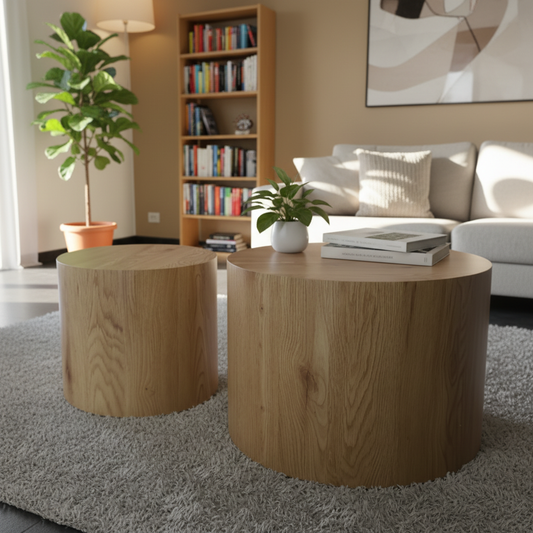
Round Wooden Coffee Table Set of 2
Regular price €54,95 EURRegular price€99,95 EURSale price €54,95 EURSale -
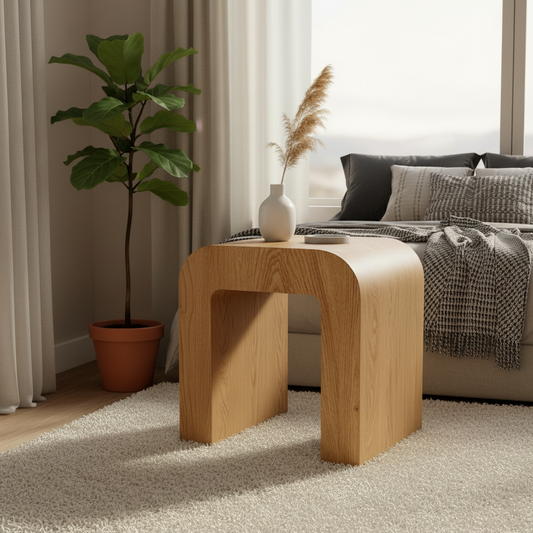
Modern Curved Side Table in Wood-Look Finish – 40 × 30 × 45 cm
Regular price €39,95 EURRegular price€69,95 EURSale price €39,95 EURSale -
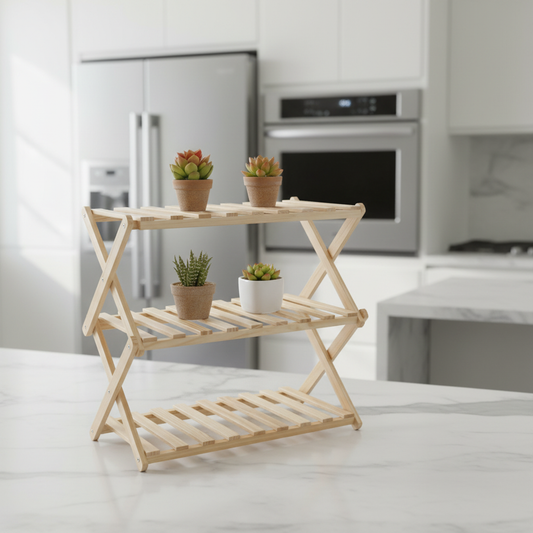
Foldable Wooden Rack – 3 Tiers (31 × 21 × 47.2 cm)
★★★★★(1)Regular price €22,95 EURRegular price€49,95 EURSale price €22,95 EURSale -
Beech Wood Coat Rack – Minimalist Tripod Design
★★★★★(1)Regular price €39,95 EURRegular price€99,95 EURSale price €39,95 EURSale -
Vintage Wooden Jewelry Box with Floral Motif and Handle – 26 × 18 × 17 cm
★★★★★(1)Regular price €18,95 EURRegular price€39,95 EURSale price €18,95 EURSale -
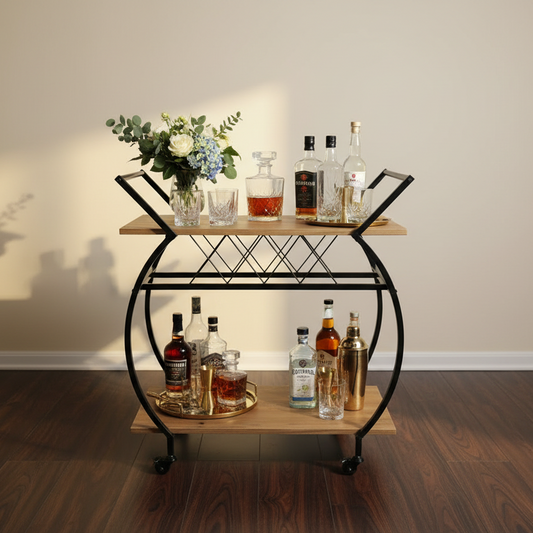
Bar cart with wine rack – 2 tiers, wood & metal, on wheels – rustic oak look – KING®
★★★★★(2)Regular price €79,95 EURRegular price€149,95 EURSale price €79,95 EURSale -
Listerby Side Table – 50 cm
★★★★★(5)Regular price €59,95 EURRegular price€139,95 EURSale price €59,95 EURSale -
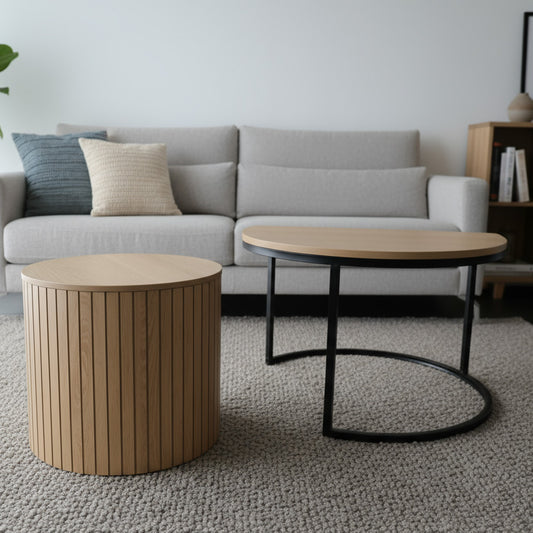
Round nesting coffee table set – 2-piece with metal frame (Ø60 x 39 cm) - Second choice
★★★★★(1)Regular price €59,95 EURRegular price€99,95 EURSale price €59,95 EURSale -
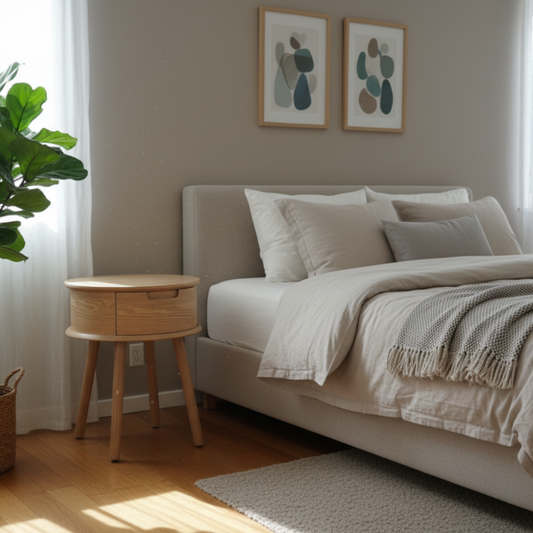
Round Bedside Table with 1 Drawer – Curved Design (Ø45 × 50 cm)
Regular price €29,95 EURRegular price€59,95 EURSale price €29,95 EURSale -
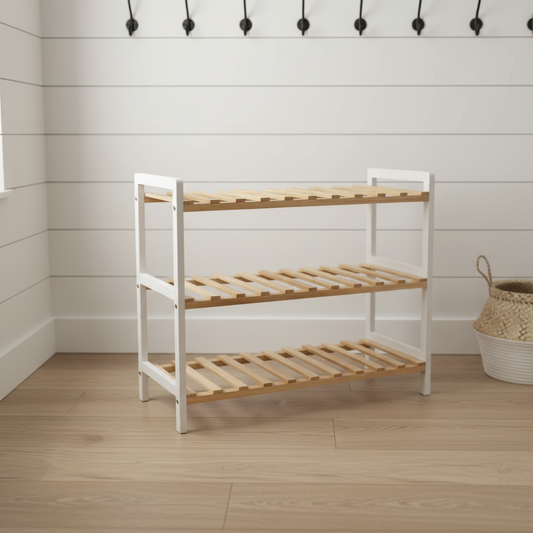
Modern Wooden Shoe Rack – 3 or 4 Tiers
★★★★★(1)Regular price From €29,95 EURRegular price€49,95 EURSale price From €29,95 EURSale -
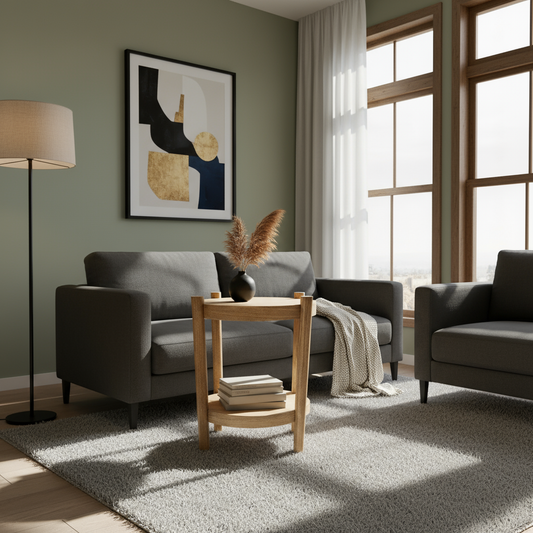
Round Side Table Ø40 × 48 cm – Oak-Look Finish
Regular price €39,95 EURRegular price€79,95 EURSale price €39,95 EURSale